

Understanding Binary Options Demo Accounts
🔍 Learn how binary options demo accounts work in South Africa. Get practical tips on setup, features, and risks to trade confidently without using real money.
Edited By
Anna Mitchell
Binary options trading appeals to many South African traders for its simplicity and quick potential returns. However, diving straight into live trades without practice can lead to costly mistakes. That's where binary options demo accounts come in handy. These risk-free platforms simulate real trading environments, allowing you to familiarise yourself with market behaviours and trading tools without jeopardising your hard-earned rand.
A demo account mirrors real market conditions, using virtual funds so you can experiment with various trading strategies. For instance, suppose you're curious about trading the JSE’s Top 40 index or currency pairs like USD/ZAR. A demo account lets you test these options without feeling the sting of loss, which is crucial for building confidence and understanding timing in fast-moving markets.
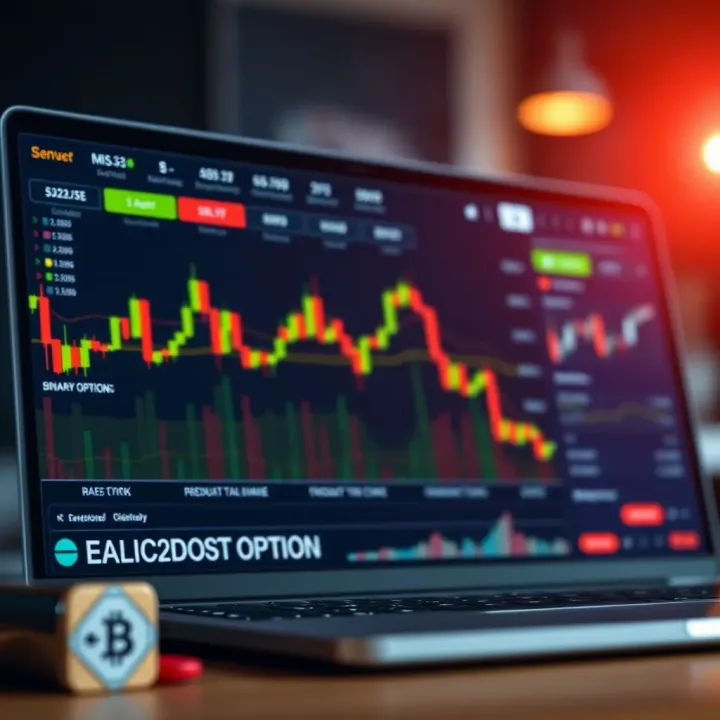
Most brokers catering to South African clients, including internationally recognised platforms, provide demo accounts free of charge. These accounts typically feature the same charts, expiry times, and payout structures as their live counterparts. It means you can practise placing high/low or one-touch trades, understand the impact of market volatility, and get comfortable with order execution.
Traders often overlook demo accounts, but using them effectively can reduce the steep learning curve that comes with binary options trading.
Using a demo account effectively means more than just clicking around. Track your trades, analyse which strategies deliver consistent returns, and note where you went wrong. This review process helps sharpen your decision-making before investing actual money.
From a regulatory standpoint, South Africa’s Financial Sector Conduct Authority (FSCA) does not regulate many binary options brokers, so practising on demo accounts is even more vital to safeguard against scams or dubious platforms. Trading demo accounts with trusted brokers also helps you evaluate customer support and platform stability.
In summary, binary options demo accounts offer a practical way to test your trading skills, experiment with strategies, and understand broker features—all without risking any capital. For South African traders looking to step into this market segment, practising on a demo account is an essential first step that lays the groundwork for smarter and safer live trading.
Binary options demo accounts are practice platforms provided by brokers, allowing traders to simulate binary options trading without risking real money. They serve as a vital training ground for newcomers and experienced traders alike, giving a chance to learn, experiment, and refine skills in a controlled environment.
Binary options are financial instruments where the payoff is either a fixed amount or nothing at all, depending on whether a certain condition is met at the option’s expiry. Essentially, it’s a simple yes-or-no bet on whether an asset’s price will go up or down within a specified time frame. This simplicity attracts many traders, but understanding the risks is crucial before committing real capital.
Traders predict the direction of an asset’s price movement—up or down—over a short period ranging from minutes to hours. If the prediction is right at expiry, the trader earns a fixed payout; if wrong, the initial stake is lost. Unlike traditional trading, profits and losses are fixed beforehand, which makes managing risk clearer but also means limited potential rewards. For example, placing a R500 bet on petrol shares going up in 15 minutes with a 70% payout returns R850 if correct, but you lose the whole R500 if wrong.
Binary options trading typically includes various assets such as stocks, indices, forex pairs, and commodities. For example, popular South African forex pairs like USD/ZAR, or equities from the JSE, are often available. This diversity lets traders explore markets they're familiar with or interested in, providing broader opportunities to test their predictions.
Demo accounts allow traders to place trades using virtual money, eliminating the risk of financial loss while learning. This kind of practice is invaluable, especially where emotions could cloud judgement in real trades. For instance, a beginner could try out multiple trade scenarios on Vodafone shares without worrying about real money vanishing.
Demo accounts are perfect for getting to know the broker’s interface and tools at your own pace. Many platforms offer charting features, indicators, and trade history to study patterns. If you choose a broker popular in South Africa, like a local MT4 or MT5 provider, you can familiarise yourself with their software quirks before risking actual Rand.
Since no real capital is on the line, demo accounts encourage trying different trading strategies and techniques. You might test a simple momentum strategy on Anglo American shares or explore risk management rules like limiting stake sizes. This trial-and-error process sharpens trading skills and builds confidence before stepping into live markets.
Using a binary options demo account is like driving a bakkie in a parking lot before hitting the busy streets—you get the feel without the consequences.
Demo accounts are more than just a training wheel; they're a practical, low-pressure environment to master binary options trading fundamentals and platform navigation. For South African traders, picking the right demo account aligned with local market conditions and currency considerations is crucial to making the most of this learning tool.

Demo accounts for binary options are invaluable tools, offering traders a safe space to hone their skills without risking real money. By providing a risk-free environment, these accounts build foundational knowledge while offering practical insights into market behaviour and trading platforms.
Getting familiar with market dynamics is often the first step for any trader starting with binary options. Demo accounts mirror the real market as closely as possible, allowing users to observe price movements, asset volatility, and market reactions to economic events in real time. For example, through demo trading, you might notice how currency pairs like USD/ZAR fluctuate around the South African Reserve Bank's interest rate announcements. This hands-on experience is crucial for understanding how external factors impact trade outcomes.
Building decision-making skills is just as important as understanding market movements. The pressure of making quick decisions can overwhelm beginners, but demo accounts let you practice analysing trends, setting expiry times, and choosing the right asset without the stress of losing capital. Repetition in this low-stakes setting improves reaction times and helps develop trading discipline, which is essential when switching to live accounts. Imagine practising multiple call and put options on the JSE Top 40 shares, learning when to enter or exit trades based on patterns you spot.
Testing user interfaces is an often overlooked benefit of demo accounts. Each broker’s platform varies in layout, charting tools, and order execution speed. By using a demo account, you can familiarise yourself with the platform’s navigation and features without risking money. For instance, one platform might offer straightforward mobile trading with clear option expiry settings, while another may provide advanced graphing tools but feel cluttered. Playing around with these differences helps pick a broker that fits your style best.
Assessing customer support responsiveness matters for live trading problems. Although you won’t experience real trade issues on demos, it’s wise to test how brokers handle questions or technical glitches beforehand. Contacting support with simple queries like account setup or withdrawal processes gives a feel for their helpfulness and turnaround time. Quick, reliable support can save you headaches when you eventually trade live.
Trying different trade types on a demo account lets you explore options beyond simple high/low trades. Some brokers offer touch/no-touch, one-touch, or ladder options, each with unique risk-reward profiles. By testing these without risk, you can identify which fits your risk appetite and trading objectives. For example, you might find one-touch options appealing if you track volatile forex pairs like EUR/ZAR but prefer shorter expiry times.
Understanding risk management techniques is critical before investing real money. A demo account allows you to practise how much to stake per trade and to apply stop-loss or limiting losses strategies, even though the impact is virtual. This practice helps prevent emotional overexposure to risk when you switch to live accounts. For instance, setting a maximum daily loss limit on a demo can prepare you mentally to walk away after a losing streak rather than chasing losses.
Using a demo account is like a dress rehearsal – it helps build skills, test brokers, and refine strategies, so you step into live binary options trading better prepared and more confident.
Understanding the limitations of binary options demo accounts is key for anyone serious about trading. While demo accounts offer valuable practice, they can't fully replicate live trading conditions. Knowing how and where these accounts fall short helps manage expectations and prepares you better for the real market.
Trading with real money brings on emotional pressures that a demo account simply cannot mimic. In live trading, fear and greed can cause hesitation or impulsive decisions, impacting your outcomes. For instance, even a seasoned trader might second-guess an otherwise sound trade when their own money is on the line. Practice accounts remove this pressure, allowing you to focus on strategy and mechanics, but they don’t prepare you emotionally.
Being aware of this emotional gap is crucial. When transitioning to real trades, expect to face those feelings and prepare yourself mentally. Controlled exposure, like starting with small stakes, can help bridge the emotional divide gradual•y without overwhelming your confidence.
Demo accounts typically simulate trades without reflecting true market liquidity. In actual markets, especially in volatile periods or thinly traded assets, liquidity can dry up, causing slippage—where the execution price differs from the expected price. For example, if you’ve placed a quick trade on a local resource stock listed on the JSE, your buy or sell price might shift unfavourably due to low volumes, something not usually shown in demo environments.
Slippage affects your trade results and risk management. Without experiencing it on demo accounts, traders might underestimate the real-world costs and execution challenges. Learning to anticipate liquidity constraints and slippage is a practical skill gained only through live trading exposure.
Many brokers restrict demo accounts to set periods, like 14 or 30 days. This limitation encourages traders to move on to live accounts but can sometimes cut short the learning curve. If you’re still mastering platform features or strategy nuances, you might feel rushed.
Taking this into account means planning your demo time wisely. Focus on clear goals and concentrate on learning key skills during the demo phase. If you find your allotted time is too short, consider brokers known for more flexible or longer demo periods to maximise your preparation.
Demo accounts often run on delayed or simulated data that may not reflect live market fluctuations. As a result, the volatility, spreads, and order execution can feel smoother or less unpredictable than in real life. For instance, during South Africa’s mining sector announcements, price swings can be sharp and sudden — something a demo environment might not capture accurately.
This divergence makes it vital to view demo trades as purely educational. When real events unfold, the market can behave differently, teaching fast-paced decision-making and adaptability that demo trading won’t provide. So, while demos build foundation skills, be ready for a steeper learning curve once you go live.
Demo trading is like a rehearsal on stage. It sets the scene but the real performance includes the unexpected — emotions, market twists, and split-second calls.
By recognising these realities, South African traders can use demo accounts effectively without being misled by their constraints. Knowing what a demo can and cannot prepare you for will sharpen your trading skills and improve your readiness for the live trading environment.
Making the best of a binary options demo account means treating it as more than just a playground—you need a clear plan to turn practice into genuine skills. This section explores practical steps to use your demo account effectively, so when you step into live trading with real Rand on the line, you’re not just guessing but acting with experience.
Defining what to practise first is key. Instead of randomly clicking around, focus on mastering one basic aspect at a time. Start with understanding how different asset types move or practise trades on the most common expiry times. For example, spend a week solely on currencies like the USD/ZAR pair to observe how geopolitical news affects price changes, rather than scattering your attention across stocks, commodities, and indices all at once.
Tracking progress and mistakes means keeping a simple log of your trades—what you did, why you did it, and what the outcome was. This habit turns each trade into a lesson. If you notice recurring errors, like misreading expiry times or ignoring market trends, you can adjust your focus. Over time, you’ll spot patterns in your decisions and can tweak your approach before risking actual money.
Placing realistic trade sizes is more than just a number game; it builds discipline. If you plant all your demo funds into giant trades, you won’t get used to managing the incremental pressure of smaller, consistent trades. For instance, if you're comfortable risking R50 per trade in a real account, start with that figure in your demo to mirror how losses and gains affect your mindset.
Using risk management rules while demo trading helps form sound habits early on. Decide on basic limits like never risking more than 2% of your demo balance on a single trade or setting daily loss caps. These rules serve as guardrails to protect capital in live trading. Practising them now means it won’t feel foreign or restrictive when real Rand is at stake.
When to switch to real accounts isn’t just about a big profit or “feeling ready.” It’s about how consistently you apply your strategy over weeks and whether you can follow your risk rules without emotional interference. If your demo results closely match your expectations and you’ve built confidence managing both wins and losses, then it’s a good time to move on.
Managing emotions and capital is often the trickiest part. Demo trading removes emotional stress because no real money is lost. On a live account, fear and greed can cloud judgement fast. Start with small stakes and make a budget for your trading capital that won’t disrupt your daily life if lost. This way, you control the emotional pull and prevent chasing losses or risking more than you can afford.
Using a binary options demo account wisely prepares you better than jumping straight into the market blind. It’s a chance to sharpen your skills, build confidence, and ease the leap into live trading with real Rand.
By keeping these practical points front of mind, you turn your demo usage from mere play into serious, structured learning that fits the South African trading landscape.
When South African traders start exploring binary options demo accounts, understanding local specifics can make a real difference. Demo accounts are a great way to practise without risking cash, but the regulatory backdrop, currency choices, and local market realities all shape the experience. Becoming familiar with these factors helps you pick the right broker, trade more confidently, and bridge the gap to live trading smoothly.
Checking broker licences and registrations is the first step every trader should take. South Africa’s Financial Sector Conduct Authority (FSCA) regulates many brokers who want to operate locally. Even for offshore brokers, it’s wise to verify their licensing by recognised bodies like the UK’s FCA or Australia’s ASIC. This protects you from shady operators and ensures some level of oversight on how your funds are handled.
Always ask for proof of regulatory compliance before opening any account. If you can’t find this information clearly on the broker’s website or official documents, it’s a red flag.
Understanding risks with unregulated brokers is equally important. Unregulated brokers can operate with minimal transparency, which means higher chances of unfair pricing, withdrawal issues, or even outright scams. Although some unregulated platforms may seem appealing due to bonuses or easier account access, the potential cost of losing everything isn’t worth it. South African traders should prioritise licensed brokers to maintain peace of mind.
When trading, choosing between Rand and US Dollars accounts matters. Many brokers offer accounts denominated in USD, but using Rand helps avoid ongoing forex conversion fees, which can chip away at your profits or capital. If your deposits and withdrawals are in R, you reduce exposure to currency fluctuations, which is especially relevant in times of rand volatility. However, some international brokers only allow USD trading, so it’s wise to double-check this before committing.
Deposit and withdrawal options suited for South Africa also require attention. Look for brokers accommodating popular local payment methods like EFT (electronic funds transfer), SnapScan, or even card payments via Visa or MasterCard. Some brokers accept M-Pesa or similar mobile payment services, but these are less common here. Quick and reliable payment methods mean you won’t get stuck waiting unnecessarily when funding or withdrawing.
Internet reliability and data costs can impact your demo trading experience. Internet connectivity in South Africa still varies, especially outside major cities. High data prices or slow broadband could make real-time trading difficult, even on a demo account. Using offline or low-data trading apps, or practising during off-peak hours when networks are less congested, can help smooth out the experience.
The impact of time zones on trading hours is another aspect to consider. South Africa operates on SAST (UTC+2), which can create discrepancies when trading assets linked to markets in the US or Asia. Some asset classes might be unavailable or have reduced liquidity during your daytime trading hours. Demo accounts are ideal for working out these timing issues without risking cash. You can test how active markets are at different hours and plan live trading accordingly.
Taking these South African-specific factors into account ensures your journey with binary options demo accounts is sensible, safe, and well suited to your local trading environment.
🔍 Learn how binary options demo accounts work in South Africa. Get practical tips on setup, features, and risks to trade confidently without using real money.

📊 Get to grips with binary options demo accounts in South Africa. Learn how to practise safely, understand local rules, and switch confidently to real trades. 🇿🇦
📈 Learn binary options trading basics tailored for South Africans. Understand how it works, risks involved, steps to start, and avoid common pitfalls confidently.

🚀 Learn how forex trading demos let you practise without risk, pick the right broker, avoid common mistakes, and prepare confidently for live trading in South Africa 🇿🇦
Based on 12 reviews