
Best Trading Apps in South Africa: A Practical Guide
Discover the best trading apps in South Africa 🇿🇦 Learn about fees, security, features & support to pick the right platform for your investing style 📱
Edited By
Oliver Bennett
Picking the right stock trading app is often the first step for South African investors looking to grow their savings or dive into the JSE and beyond. With numerous apps available—from local options like EasyEquities and SatrixNOW to international giants such as Saxo Bank and Interactive Brokers—it can be tricky sorting through all the noise to find one that fits your needs.
A good stock trading app should be more than just a platform to buy and sell shares. You want an app that offers clear pricing, smooth usability, reliable customer support, and strong security measures that protect your personal and financial data. It also helps to consider whether the app allows easy access to South African markets and complies with local regulations like the Financial Sector Conduct Authority (FSCA).

New traders might prioritise apps with educational tools and demo accounts so they can practise before risking real money. Experienced investors may focus on low fees, advanced charting features, or access to global stocks and ETFs. Remember, fees can vary widely—from flat commission rates to percentage-based charges and forex fees when dealing with international shares—so make sure you understand the costs tied to each platform.
When testing an app, look out for
Speed and stability during peak trading hours
Clear fee structures with no hidden costs
Local banking integration for R deposits and withdrawals
User-friendly design tailored for South African investors
Even if you prefer trading from your desktop, having a solid mobile app complements your portfolio management on the go. Check that notification alerts and portfolio tracking are reliable.
South African investors should also watch out for apps that support safe authentication methods like two-factor authentication and are compliant with the Protection of Personal Information Act (POPIA). This helps reduce risk when trading under unstable network conditions common in many parts of the country.
In the sections ahead, we'll compare top choices, explore must-have features, and offer practical advice on trading app security and cost-efficiency so you can trade confidently and keep more of your returns.
Choosing the right stock trading app involves more than just picking the flashiest interface or the cheapest fees. It’s about finding a tool that matches your trading style, offers reliable market access, and delivers the kind of data and execution speed needed to make decisions confidently, especially in the South African context.
A clean and intuitive user interface (UI) can make or break your trading experience. For South African users, this means straightforward navigation without clutter or confusing jargon. Apps like EasyEquities excel here by providing simple menus and clear charts that even rookies grasp quickly. If your trading involves quick reactions to market shifts, an app that minimises taps before placing trades is invaluable. Avoid platforms where execution requires hunting through several pages — that wastes time and might cost you.
Look for an app that goes beyond just Johannesburg Stock Exchange (JSE) shares. Many South African investors want access to global securities like US tech stocks or ETFs. Platforms such as Hargreaves Lansdown and Interactive Brokers offer more asset types across several markets, allowing you to diversify your portfolio. Keep in mind, though, that broader access may come with extra currency conversion fees and regulatory hurdles. The best apps clearly show which markets are accessible and specify potential costs upfront.
Up-to-the-minute market data is essential for timely trades. Apps that provide live price updates, relevant news feeds, and analytical tools give you an edge. For example, some local apps integrate news sourced from South African financial outlets—which matters when following JSE-listed companies or fluctuations driven by local economic news. Research tools like technical indicators, earnings calendars, and analyst ratings help you make informed choices instead of trading blind.
Not all trades are as simple as buying or selling at the current price. Advanced order types such as stop-loss, limit, and trailing stop orders are critical to managing risk and locking in profits. Execution speed is equally important; delays in order matching can expose you to slippage, especially during volatile periods influenced by local events or global shocks. Good apps communicate their average execution times and support a range of order types to suit both cautious investors and active traders.
When choosing your trading app, focus not just on what features exist but how they serve your specific needs. A feature-packed app that’s hard to use or slow to execute won’t help you trade smarter—especially in South Africa’s dynamic market.
By weighing user-friendly design, asset variety, data quality, and order handling, you stand a better chance of picking a stock trading app that truly fits.
South Africa's investment landscape has grown more accessible thanks to a variety of stock trading apps catering to different needs. Choosing the right app can make all the difference when it comes to seizing opportunities and managing your portfolio effectively. Local and international platforms each have their perks and quirks, especially when it comes to market access, cost, and banking integration.
South African apps like EasyEquities, SatrixNOW, and FNB Share Investing have gained popularity by focusing on the Johannesburg Stock Exchange (JSE). These platforms offer straightforward access to local shares, with interfaces designed around South African investor needs. They're particularly appealing for users who want to invest in familiar companies without crossing currency borders or juggling complicated tax paperwork.
When it comes to JSE stocks, using a local platform provides a direct line to the market. This means trades settle in Rands, and investors avoid the hassle and additional fees of currency conversion. Plus, the JSE’s unique trading hours and local corporate events are built into these apps’ calendars and alerts. This local focus helps traders stay on top of developments quickly.
Most local trading apps integrate seamlessly with South African banks. For example, EasyEquities supports payments via EFT from major banks such as FNB, Standard Bank, and Capitec. This integration simplifies funding your account and withdrawing profits without costly delays or extra charges. It also means you can track your investment activity alongside your bank statements, adding a layer of convenience.
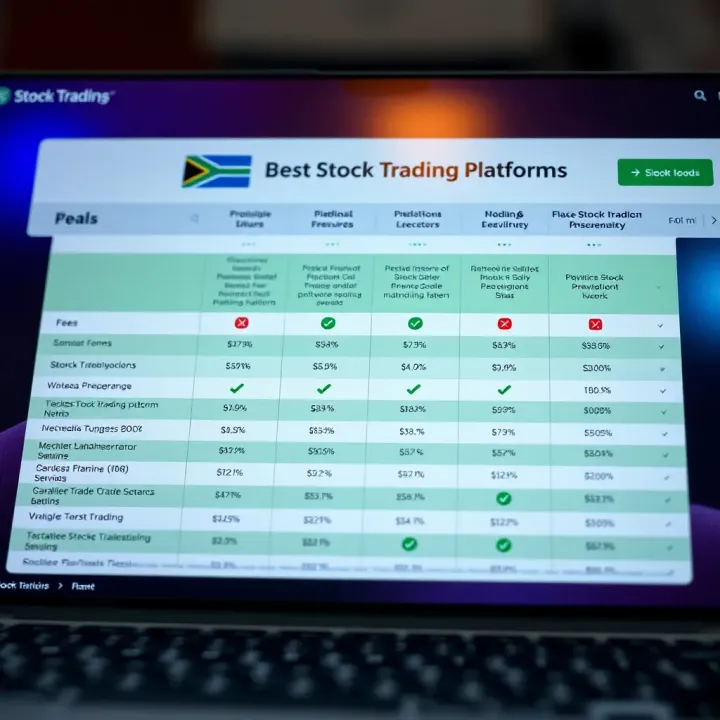
International trading apps like Interactive Brokers, TD Ameritrade, or eToro open doors to global markets beyond the JSE. Access to US, European, and Asian stock exchanges allows investors to diversify their portfolios with companies not listed locally. This asset diversity is particularly useful for those wanting exposure to sectors like technology or biotech firms that are sparsely represented on the JSE.
However, trading on international platforms comes with currency considerations. Buying shares in dollars or euros means your South African Rand deposits must be converted, attracting conversion fees and exchange rate risk. It's wise to factor these costs into your overall investment strategy to avoid surprises when withdrawing funds.
International apps also require understanding of different regulations. South African investors need to consider tax implications, reporting standards, and foreign account declarations. While many platforms assist with compliance, it’s your responsibility to ensure you meet SARS requirements. Overlooking this can lead to penalties or delayed repayments.
Mobile-optimised apps offer convenience for investors who prefer trading on the go. Apps like EasyEquities and FNB Share Investing provide streamlined interfaces that fit well on smartphones, allowing you to check markets, place trades, or receive real-time price alerts anytime. This level of accessibility suits traders who want to react quickly without being tied to a desktop.
Desktop-compatible apps still have their place, particularly for investors who perform detailed research or manage complex portfolios. Platforms offering both mobile and desktop versions, such as Interactive Brokers, ensure you can switch between devices with no disruption. Cross-device functionality also means you won’t miss critical updates if you log in from a different device.
Offline features and notifications further enhance usability. Some apps let you set price alerts that push to your mobile even if the app isn’t open. Offline access to your portfolio summary means you can review holdings without internet, handy when travelling or during loadshedding. Such features keep you connected to markets no matter the situation.
Choosing between local and international stock trading apps, as well as weighing mobile against desktop usability, hinges on your trading goals, market preferences, and day-to-day needs. Matching the app to your style can improve your investment journey significantly.
Understanding the fees and charges tied to stock trading apps is vital for every South African investor. Costs can eat into your potential returns quietly, so being aware upfront helps you avoid nasty surprises and choose an app that suits your budget and trading habits. From commissions to currency fees, knowing where your rand goes makes a big difference.
Trading commissions are the fees charged each time you buy or sell shares. Some local brokers like EasyEquities offer low or zero commissions on JSE trades, making them popular for small-scale investors. However, platforms offering access to international markets, such as Interactive Brokers, often apply commissions based on trade size or value. Besides commissions, watch out for spread margins—the difference between the buying and selling price of an asset. Even if the app advertises no commission, a wide spread can push up costs indirectly. For example, trading US stocks through some international apps may have a spread that varies with market conditions, potentially increasing your overall expense.
Some platforms charge monthly or annual account maintenance fees just for having an account, regardless of your trading activity. Others may impose inactivity fees if you don't trade within a certain period, which is common in local apps targeting casual investors. For instance, a brokerage charging R50 a month as a maintenance fee might quickly add up if you're not trading regularly. Always check the small print to see if these fees apply and consider how your trading style aligns. If you plan to hold investments long-term without frequent trading, seek apps without inactivity penalties.
When trading offshore stocks or withdrawing funds, currency conversion fees come into play. Since transactions often happen in foreign currencies like USD or EUR, South African investors pay conversion costs when swapping rand to dollars and back. These fees can be flat or a small percentage, often ranging from 0.5% to 2%. For example, converting R10,000 to USD at a 1.5% fee costs you R150 right away. Additionally, withdrawing funds from your trading account to your bank might carry withdrawal fees, especially with international platforms. Choose an app with transparent, competitive conversion rates and low withdrawal charges to protect your profits.
Keeping an eye on all fees—trading, maintenance, currency, and withdrawals—helps you pick a trading app that keeps your costs down and returns healthy. Small savings here and there add up over time.
By understanding these costs thoroughly, South African investors can select stock trading apps that align with their investing goals and financial plans, ensuring they’re not caught off guard by hidden fees or unfavourable charges.
Security and privacy are not just add-ons when picking a stock trading app; they form the backbone of safe investing. South African investors must be confident their personal and financial details stay protected in an environment where cyber threats are increasingly sophisticated. Regulatory compliance further ensures the app you're using respects the law and market rules, guarding you against fraud or malpractice.
The Financial Intelligence Centre Act (FICA) demands that financial services, including trading apps, verify clients’ identities to prevent money laundering and fraud. This means when you open an account, you'll need to provide forms of identification, proof of address, and possibly additional documentation. The Protection of Personal Information Act (POPIA) complements this by enforcing responsible handling of your data. Apps must safeguard your details from misuse or unauthorised access, giving you rights over how your personal information is stored and shared.
For example, a local app will usually require you to submit your ID book or passport and a recent utility bill to comply with these rules. This process can be a bit of a hassle but ultimately protects you and the market.
The FSCA regulates South Africa's financial services environment. A legit trading app will be licensed by the FSCA, confirming it meets minimum operational and ethical standards. This licence means the app is regularly audited, must be transparent about costs and risks, and must have proper customer grievance processes.
Choosing an app without FSCA approval is risky; there's less chance of regulatory protection if something goes wrong. Many popular South African platforms proudly display their FSCA licence numbers, which signals to investors that they're dealing with a properly overseen business.
Encryption is vital for any trading app handling sensitive financial data. It scrambles your information so hackers can't read it even if they intercept the data. Look for apps that use strong encryption protocols such as 256-bit SSL/TLS—this is standard for banks and reputable financial platforms.
For instance, when you transmit your bank details or place trades through your app, encryption keeps those details safe from cybercriminals. It's worthwhile confirming if the app mentions encryption in its security features or privacy policy.
Adding an extra layer beyond just a password helps protect your account from unauthorised access. Two-factor authentication (2FA) sends a one-time code via SMS or, better yet, through an authentication app like Google Authenticator. Biometrics, like fingerprint or facial recognition common on modern smartphones, provide convenience and security.
These features make it much harder for someone to break into your trading account, even if they guess or steal your password. Local apps increasingly adopt these methods, recognising how crucial they are for South African users given the rise in cyber fraud.
Stop-loss orders are essential risk tools. They automatically sell your shares if prices fall to a specific limit, helping you minimise losses without needing to watch the market constantly. This feature is especially useful in volatile markets or for investors who can’t monitor their portfolio all the time.
South African trading apps usually support stop-loss and sometimes trailing stop-loss orders, which adjust as the price moves in your favour. Using these can protect you from sudden, sharp drops without locking in losses prematurely.
Real-time alerts keep you updated on price changes, order executions, or important market news. This helps you act quickly, whether you want to grab a profit or avoid a loss. Apps that send customised alerts on your watchlist or portfolio are particularly handy.
For example, if you hold shares listed on the JSE and the price dips below your target, a prompt notification allows you to make decisions without delay. Alerts also remind you of dividends, corporate actions, or when a stop-loss order is triggered, keeping you in control no matter where you are.
When picking an app, look beyond just trading fees or ease of use. Robust security, data privacy, clear regulatory compliance, and smart risk features vastly improve your trading experience and peace of mind.
Selecting a stock trading app that aligns with your trading style is vital for a smooth and effective investing experience. Whether you're a casual investor or a seasoned trader, the app you choose should complement your goals and preferences. For instance, a day trader will need an app offering real-time data and swift order execution, while a long-term investor might prioritise tools for portfolio tracking and research.
Your investment goals should dictate the features you focus on in a trading app. Suppose you aim for dividend income; the app should provide clear information on dividend yields and payout histories. Alternatively, if you prefer growth stocks, look for platforms offering in-depth market analysis and the ability to set price alerts. For example, a beginner targeting unit trusts and ETFs might benefit from apps like EasyEquities, which offer fractional share buying and user-friendly interfaces. Meanwhile, experienced investors trading across local and international markets might require access to global exchanges alongside features like advanced charting and technical indicators.
Before committing funds, it's smart to explore trial periods or demo accounts. These allow you to navigate the app's interface, test order executions, and understand fee structures without risking actual money. Think of it like a test drive before buying a bakkie; you want to ensure it handles how you need. Apps like Standard Bank’s Webtrader or international platforms such as Interactive Brokers often provide demo accounts. This practical experience can reveal if the app’s speed and tools match your trading rhythm.
Robust customer support is non-negotiable, especially when money is on the line. Look for apps with accessible channels—be it live chat, phone support, or email—that respond swiftly during market hours. Besides support, educational resources can help you sharpen your investment skills. Good apps offer tutorials, webinars, and up-to-date market news tailored for South African investors. For example, South African apps like Satrixnow include user guides and investment insights, which are invaluable for newcomers getting to grips with the JSE’s quirks.
Choosing the right app isn’t just about features or costs; it’s about finding a tool that fits your style and supports your journey on and off the trading floor.
By focusing on these practical tips, you increase your chances of picking a platform that suits your unique needs, making your trading life more manageable and potentially more profitable.
Discover the best trading apps in South Africa 🇿🇦 Learn about fees, security, features & support to pick the right platform for your investing style 📱
🇿🇦 New to trading in South Africa? Discover how to pick the best app with features, costs, regulation tips, and comparisons to start confidently! 📈💡

Explore the best free Forex trading apps in South Africa🇿🇦. Compare features, security, and costs💰 to find your ideal trading companion📱.

📈 Learn forex trading times and best hours for South African traders. Understand key market sessions, overlaps, and tips to trade smarter and seize opportunities.
Based on 10 reviews