
Free Forex Trading Signals Guide for South African Traders
📈 Discover how to navigate free forex trading signals in South Africa. Learn to evaluate providers, use signals wisely, and avoid common trading mistakes.
Edited By
George Mitchell
Forex trading signals can help traders make quicker decisions by highlighting potential trade opportunities based on market analysis. For South African traders, free forex trading signals offer a cost-effective way to stay informed without handing over their hard-earned rand. However, not all signals are created equal, and understanding their nuances is key to avoiding unnecessary losses.
Most free forex signals come from algorithmic software, experienced traders, or financial services that analyse currency pairs like USD/ZAR or EUR/USD. These signals typically suggest entry points, stop-loss levels, and take-profit targets. While they can save time, it's important to remember signals are not foolproof instructions—they are suggestions that require your own judgment and risk management.
Relying blindly on free signals can be a trap; combine them with your own analysis for better outcomes.
South African traders find value in signals that consider local factors such as the impact of Eskom loadshedding on market sentiment or the rand’s reaction to SARB interest rate decisions. Platforms like TradingView and FXStreet offer free signals that include these regional considerations, making them more relevant than generic global forecasts.
When looking for free forex trading signals, keep these tips in mind:
Verify the source's credibility. Check user reviews, trading history, and transparency.
Test signals with a demo account before committing real money.
Look for signals that provide clear entry/exit points and risk limits.
Avoid services promising guaranteed profits, as the forex market is inherently volatile.
Ultimately, free forex signals serve best as supplementary tools. They can highlight trends or alert you to potential moves but should not replace thorough market research or a well-planned trading strategy.
Understanding these basics sets the stage to explore the best sources and practical ways to use free forex trading signals tailored specifically for South African traders like yourself.
For anyone trading forex in South Africa, grasping what free trading signals are all about is a solid first step. These signals offer a snapshot of potential market moves, helping traders make sense of the volatile forex terrain without constantly staring at charts. They’re particularly handy for those who can’t monitor the market all day but want to spot promising entry or exit points.
At their core, forex trading signals are suggestions or alerts that identify potential trading opportunities based on market analysis. Think of them as flags raised when certain conditions align—like when the rand-dollar pair looks ready to jump or drop. A signal might recommend buying or selling, along with a suggested price level and stop-loss to manage risk.
These signals guide trading decisions by providing a clearer direction amid the market’s unpredictability. For instance, a signal could point out a trend reversal after a long period of sideways trading, offering you a chance to capitalise before the crowd catches on. By trusting, but verifying, traders can use these tips to time trades more effectively.
Common forms of signals include concise alerts, graphical charts with marked entry and exit points, or straightforward text messages detailing what to do. For example, a broker app might pop up a push notification with instructions, while a dedicated signal service sends daily emails summarising relevant trades.
Free forex signals often come with some strings attached. They might have limited details, less frequent updates, or a broader focus that reduces accuracy. Unlike paid services, free signals don’t always dive deep into market nuances or offer personalised insights. For example, a free signal might suggest a general buy zone, whereas a paid service provides layered analysis with multiple timeframes and risk assessments.
Accuracy and reliability also tend to vary. Free providers might deliver useful tips but with occasional misses, while paid signals usually back their calls with rigorous testing and clearer strategies. That said, not every paid service guarantees the moon either—so cautious evaluation makes sense.
Some providers share free signals to showcase their expertise or attract new clients. They aim to build trust before encouraging upgrades to premium packages or other products. This strategy makes free signals a helpful starting point but often isn’t meant to be a full trading plan on its own.
Relying solely on free forex signals without personal research or risk control can lead to disappointment. Use them as a guide, not gospel.
Understanding these basics arms you with the right expectations and helps you spot reliable sources among the many options available to South African traders.
Finding trustworthy free forex trading signals can save you heaps of time and effort, especially if you're just getting your feet wet or testing new strategies. For South African traders, tapping into reliable sources is key to making informed decisions without forking out big bucks on paid services.
Local trading communities and discussion boards come highly recommended. These online spots often feel like a local braai where traders share their insights, signal tips, and real experiences. Websites such as SA Forex Forum or various Reddit threads dedicated to forex in South Africa provide a space to interact with fellow traders who understand local market quirks and conditions, like fluctuations in the rand or impacts of local economic news. Being part of such hubs lets you ask direct questions and get feedback on free signal providers, which can help filter the noise.
When it comes to international sites with free signal options, platforms like FXStreet or Investing.com stand out. These sites often provide real-time alerts, technical analyses, and signal services free of charge. Although not specific to South Africa, these platforms offer broad market coverage that can complement local knowledge. The challenge here is to align these signals with South African market hours and peculiarities — for example, factoring in Eskom loadshedding disruptions that might affect your trading activity.
Social media groups focused on forex trading offer a more casual but lively place to pick up free signals. Facebook groups and Telegram channels dedicated to forex trading have grown rapidly in Mzansi, with some groups flying under the radar but still packing useful insights. The immediacy of these platforms means you get signals quickly, sometimes with live commentary. Mind you, exercise caution and verify the reliability since the barrier to entry is low, and the quality varies.
Mobile apps with alert features are a handy solution when you're on the go. Apps like MetaTrader 4 and 5 include free signal services where you can subscribe to traders’ calls or automated signals. They notify you directly on your cellphone, helping you stay on top of the market during your morning commute or while braaing with friends. These alerts often come with charts and explanations, making it easier to decide whether to follow or skip a trade.
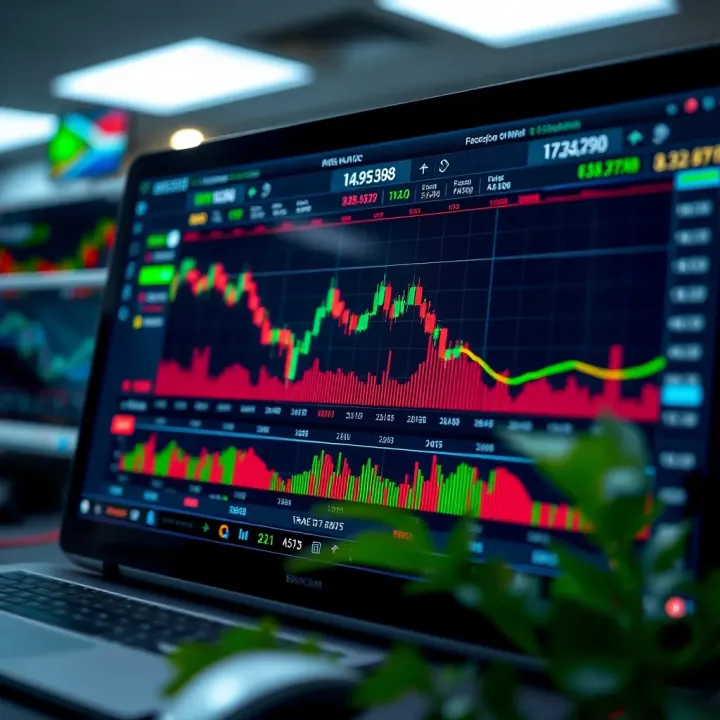
Many broker platforms with integrated signals now offer basic forex signals at no extra cost. Brokers like IG or EasyEquities include built-in analytical tools or third-party signals on their trading dashboards. This integration ensures you don't need additional software, reducing delays since you receive signals right where you trade. Make sure to use brokers regulated by South African authorities for peace of mind.
Lastly, third-party alert services and plugins can plug into your existing platforms, adding another layer of signals. Tools such as TradingView offer free alert features and community-driven signals with custom scripts and indicators. These usually require a bit more tinkering and market knowledge but can provide a richer signal experience tailored to your trading style.
Reliable sources for free forex signals combine speed, accuracy, and context. South African traders should mix local insights with global tools to get the best edge without overspending.
Remember, no signal is foolproof, so always pair these signals with your own market research and sound risk management practices.
Evaluating free forex signals carefully is essential for South African traders wanting to avoid costly mistakes. Not all signals are created equal, and a bit of extra scrutiny can save you from following bad advice that might burn your capital. Understanding what makes a signal reliable helps filter out noise and focus on those that can genuinely support your trading decisions.
Reputation is a straightforward yet powerful indicator of a provider’s trustworthiness. Look for traders' reviews and ratings on local South African forex forums or global platforms to get a balanced perspective. For example, a provider with a long track record in communities like BabyPips or MyBroadband forums, along with positive feedback about accuracy and customer service, is usually more dependable. Conversely, providers with overly enthusiastic but generic testimonials often raise red flags.
Knowing how a trading signal is generated is important. Providers that explain whether their signals come from technical analysis, fundamental insights, or a mix give you a chance to judge suitability for your style. For instance, some might use moving averages or RSI indicators, while others might base predictions on economic data releases. When providers are vague about their methods or claim to rely on 'secret algorithms', it's wise to stay cautious.
Too many signals can overwhelm and confuse, while too few could leave you inactive. A reliable service sends signals at a pace matched to market conditions and user needs. Also, timing matters due to South Africa’s time zone (SAST). Signals delivered late or outside active trading hours might miss crucial market moves. Providers that align alerts with major forex sessions, such as London or New York, offer better chances for execution.
Free signal providers promising sky-high returns with no risk should be treated with scepticism. For example, claims of doubling your account monthly or guaranteeing 90% win rates often hide over-optimistic or manipulated track records. Remember, forex markets are volatile, and no signal can assure consistent profits.
A provider without clear channels for questions or complaints isn’t likely to stand behind their signals. South African traders should seek providers offering at least email support or active social media presence. This transparency helps build trust and allows you to clarify doubts, enhancing your confidence when following calls.
If you notice signals from the same provider frequently opposing each other within short periods, that is a warning sign. Mixed signals cause confusion and impair your decision-making. Good providers maintain consistency and explain when conditions change, adjusting their advice logically rather than flipping positions without reason.
Taking time to evaluate these aspects ensures you aren’t flying blind in the forex market. Free signals can be valuable, but only when backed by credibility and clarity.
By checking reputation, understanding methodologies, and spotting red flags like unrealistic promises or poor support, you protect your trading capital and improve chances of success in South Africa's forex scene.
Using free forex trading signals in South Africa comes with both clear benefits and certain hurdles. For many local traders, especially those starting out or trading part-time, these signals offer valuable support but also require cautious handling to avoid setbacks. Understanding these pros and cons helps South African traders make smarter choices about when and how to use free signals.
Free forex signals cut down the upfront costs that typically discourage new traders. Rather than paying monthly fees or subscribing to expensive signal providers, beginners can access market calls without spending a cent. For example, a young trader in Johannesburg might use free signals from a popular trading app like MetaTrader or Telegram chat groups, allowing them to get a feel for the market without risking more than their initial trading capital.
This affordability is particularly important in South Africa, where disposable income for trading can be limited and forex trading remains relatively niche compared to other investment options. Free signals remove the initial financial barriers that stop many from even having a go.
Apart from saving cash, free signals give novices a peek into how experienced traders analyse and approach the forex market. By following signals, beginners can start recognising common trading patterns, key currency pairs popular in Mzansi markets (like USD/ZAR), and basic technical indicators.
Actively comparing signals with live market moves helps build practical knowledge about price actions, support and resistance zones, and how news events affect currencies. This hands-on exposure beats reading dry theory alone, as it allows new traders to contextualise their learning in real time.
Free forex signals also allow traders to experiment with different approaches in a risk-free way, especially when paired with demo accounts offered by most South African brokers. A Durban trader, for instance, might try executing trades based on free signals on a demo account, tracking wins and losses without jeopardising real money.
This trial phase helps traders understand what strategies fit their style and tolerance, enabling them to refine their judgement and avoid costly mistakes once real funds come into play.
One major catch with free signals is their inconsistent accuracy. Since these are often provided by less established sources, the success rate can vary wildly. This uncertainty means relying solely on free signals can easily lead to losing trades.
In a South African context, where traders might also be disrupted by issues like unstable internet or broker limitations, an inaccurate signal can quickly turn into real financial loss. It’s crucial for traders to always treat free signals as one piece of information—not a guarantee.
Using free signals carries the risk of becoming overly dependent on someone else’s calls. This can stall personal growth and critical market thinking if one blindly follows signals without understanding the reasons behind them.
South African traders should balance signal use with their own analysis. Over time, leaning less on external tips and more on personal insights keeps you sharp and adaptable, especially when market conditions shift unexpectedly.
Signal timing is vital in forex trading. Free signals sent through apps or social platforms may face delays due to local internet challenges or platform reliability. In South Africa, where some areas experience slower connections or outages, a delayed signal can mean missing the ideal entry or exit point.
Traders need to be aware that such technical hiccups are a real risk and plan accordingly, maybe by choosing signal providers with faster delivery mechanisms or backing up with personal alerts.
Free forex signals can be a handy stepping stone for South African traders, but understanding their strengths and pitfalls is key before relying too heavily on them.
By weighing these advantages and challenges, you can decide how best to harness free forex signals to fit your trading journey in Mzansi’s dynamic forex environment.
Free forex trading signals can be a useful tool, but they should never be treated as a foolproof recipe for making money. To get real value from these signals, South African traders need to integrate them strategically into a broader trading approach. This means blending the signals with personal market analysis, staying informed about global and local news, and protecting your capital through sound risk management. Practising these habits improves your decision-making and reduces the risks connected to relying solely on external tips.
Forex signals work best when combined with your own technical and fundamental analysis. For instance, if a free signal suggests buying the USD/ZAR pair, check the relevant charts for support and resistance levels or look for confirmation in indicators like the Relative Strength Index (RSI) or moving averages. Likewise, fundamental analysis—such as understanding South Africa’s recent interest rate moves by the South African Reserve Bank (SARB) or economic data releases like GDP growth—helps you gauge whether the signal fits the broader market context.
Relying solely on signals without any personal assessment can lead to rash choices. By layering personal analysis with signals, you develop a sharper sense of timing and improve accuracy.
Keeping an eye on market news locally and globally is another pillar of effective trading. Local news such as unexpected Eskom loadshedding can quickly affect the rand and, by extension, forex pairs that include ZAR. Internationally, events like US Federal Reserve announcements or geopolitical tensions impact currencies worldwide. Signals rarely capture these real-time developments immediately, so staying updated allows you to decide whether to act on a signal or hold back.
Risk management remains essential when using free signals, particularly because their accuracy varies. Setting stop-loss orders limits potential losses if a trade moves against you. For example, allocating no more than 2% of your trading capital per trade protects you from heavy damage. Remember, signals help spot opportunities but protecting your wallet is your responsibility.
It’s wise to keep records of every trade initiated from a free signal. Tracking entry, exit points, profits, and losses highlights which providers yield better results or which market conditions affect performance. This record-keeping turns guesswork into data-backed decisions.
Demo accounts also prove invaluable. Before placing live trades based on signals, test them in a risk-free demo environment. If a signal service repeatedly fails in demo trades, it’s a clear sign to lower your trust or avoid it altogether.
Lastly, your reliance on signals should evolve as you gain experience. New traders might depend heavily on signals at first but should gradually increase their personal analysis skills and reduce dependence. Advanced traders may only use signals to confirm their ideas. This flexibility prevents overconfidence in signals and improves overall trading success.
Combining free signals with your own analysis, keeping up-to-date with news, and managing risk transforms signals from mere tips into practical trading tools that suit South African market realities.
📈 Discover how to navigate free forex trading signals in South Africa. Learn to evaluate providers, use signals wisely, and avoid common trading mistakes.

🌍 Explore free forex trading in South Africa! Learn how to start without money, use demo accounts, pick brokers, and trade smartly with no upfront cost.
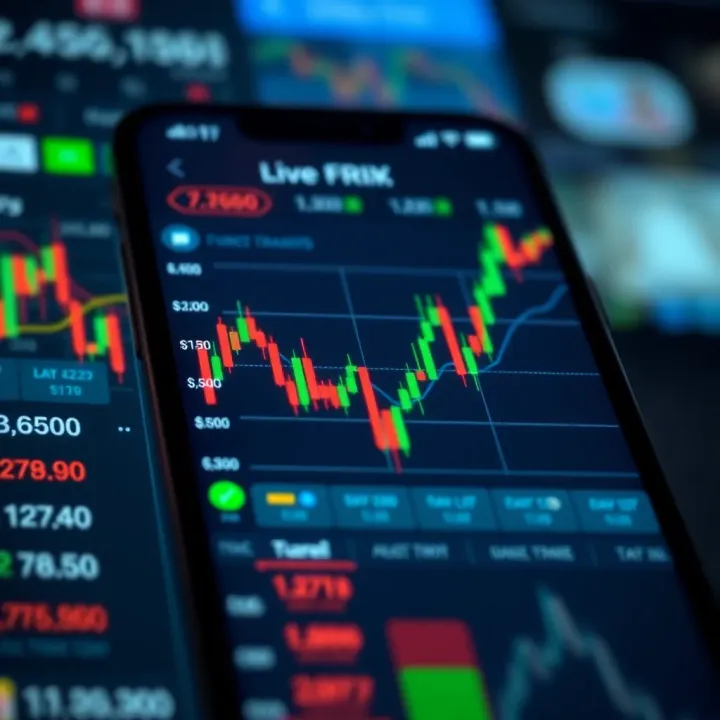
Explore the best free Forex trading apps in South Africa🇿🇦. Compare features, security, and costs💰 to find your ideal trading companion📱.
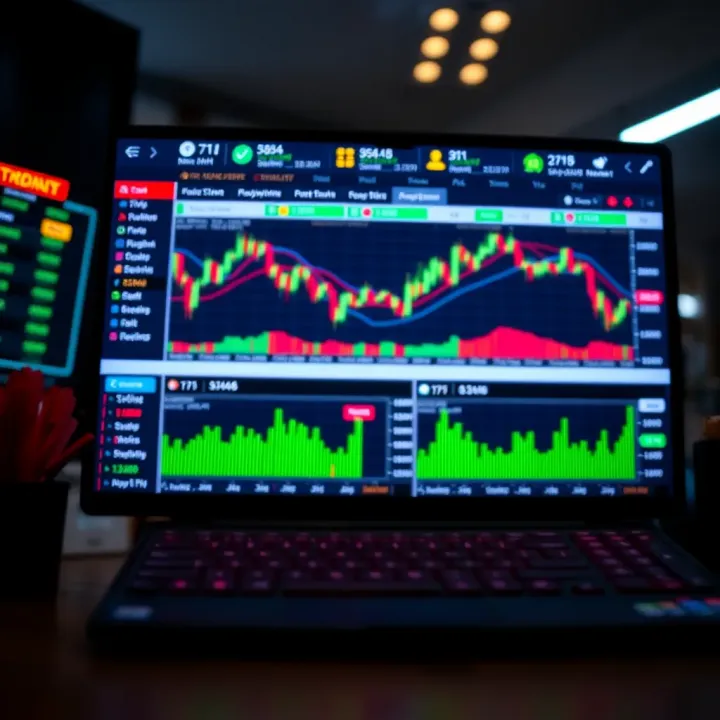
Discover how to pick the best free forex trading platform for South African traders! 📊 Explore top features like security, tools, and ease of use—trade smart without upfront fees.
Based on 11 reviews