
Basics of Forex Trading for Beginners
🌍 Learn forex trading basics, market operation, strategies, and risk management. Perfect for beginners in South Africa and worldwide ready to trade confidently!
Edited By
Liam Fletcher
Forex trading offers tempting opportunities but comes with steep learning curves. For many newcomers, the sheer volume of information online feels overwhelming. That’s where books come in handy. They allow you to build a solid foundation, one concept at a time, without the noise of fleeting trends or flashy promises.
When choosing a forex book, look for those that offer clear explanations and realistic approaches rather than quick-rich schemes. Titles by seasoned traders with practical experience often include case studies or examples rooted in real market conditions. This helps you understand not only what works but also why it works or sometimes doesn’t.

Some books break down technical analysis — the study of price patterns and trends — in a way that’s digestible even for those without a background in finance or economics. Others place more emphasis on the psychology of trading because controlling emotions like fear and greed can make the difference between a good trader and an unlucky gambler.
A worthwhile forex book equips you with strategies to read the market and manage risk effectively, rather than trying to bet on unpredictable outcomes.
To get started, focus on books that combine the following:
Basic forex concepts: Understanding currency pairs, pips, spreads, and leverage
Trading platforms and tools: How to use software that tracks price movements
Strategies and setups: Simple entry and exit points with examples
Money management: Protecting capital through stop-loss orders and position size
Psychology of trading: Handling stress, discipline, and patience
Reading actively and practising alongside your study helps cement knowledge far better than passive reading. Try simulating trades or keeping a journal of what you learn as you progress. Combining a good book with hands-on practice can shorten your learning curve significantly.
This guide aims to highlight essential reads that build your forex trading skills from the ground up, helping you to trade smarter in a volatile but rewarding market.
Building a solid foundation of knowledge is essential for anyone stepping into the forex market. Unlike casual guessing, forex trading requires understanding terms like currency pairs, pips, and leverage. Books designed for beginners patiently walk you through these concepts, helping you grasp how the market ticks before risking your R. For example, knowing how a pip represents the smallest price movement in a currency pair can save you from costly mistakes when placing trades.
Understanding market mechanics before trading prevents costly surprises. The forex market operates 24 hours, influenced by global economic events and political decisions. Without this groundwork, new traders might react emotionally to market swings or misinterpret price moves. Reading about how interest rates from central banks such as the South African Reserve Bank (SARB) affect the rand can give you real insight. This background helps you spot genuine market trends instead of getting caught in false signals.
Avoiding common pitfalls through learning can spare you headaches and losses down the line. Many beginners rush into trading without proper preparation, falling prey to errors like overtrading or ignoring risk management. Forex books often include cautionary tales and practical advice on protecting your capital. For instance, understanding why diversification and setting stop-loss orders are vital can keep your losses manageable when the market moves against you.
Reading forex books is not just about theory — it equips you with the tools to make smart, confident decisions in a fast-moving environment. This knowledge is the backbone for developing strategies and managing the emotional rollercoaster of trading.
To sum up, forex books for beginners do more than explain jargon; they prepare you practically. They anchor your skills in solid knowledge of market workings and warn you about common traps. This makes your trading journey steadier and potentially more profitable. So, starting your forex education with good books is a worthwhile step before putting money on the line.
Selecting the right forex books can make a marked difference in how quickly and effectively you grasp the nuances of currency trading. With countless titles out there, filtering through to find those that truly help beginners requires focusing on a few key criteria.
A forex book aimed at newcomers should break down complex concepts into clear, understandable language without overwhelming jargon. For instance, a good beginner's book will explain what currency pairs mean or how pips influence profits and losses using simple, relatable terms. Avoid books riddled with technical terms that assume prior knowledge — these can discourage or confuse newbies. Instead, look for authors who use everyday examples or analogies to explain concepts, making the material easier to grasp and remember. This approach reduces the learning curve and builds confidence early on.
Theory alone won’t make you a successful trader. Practical strategies are essential to bridge knowledge and real-world application. When choosing a forex book, ensure it includes actionable trading techniques you can implement straight away. For example, look for titles that cover how to read price charts or explain entry and exit points in a straightforward way. Books highlighting step-by-step plans or simple systems often prove more valuable than abstract theories. Remember, having tested strategies on paper or demo accounts beforehand can save you from costly trial-and-error in live markets.
Forex markets evolve constantly, influenced by changing global economies, politics, and technology. A book written a decade ago might not offer insights relevant to today's fast-moving, tech-heavy environment. Choose books that reflect the current landscape — for example, those discussing algorithmic trading, impact of central bank policies post-pandemic, or how geopolitical events like Brexit affect currency volatility. Up-to-date information ensures you’re not stuck with outdated advice that could lead to poor decisions.
When picking forex books, clarity, practicality, and timeliness matter most. These factors help beginners avoid confusion, apply strategies effectively, and stay aware of real market dynamics.
Focusing on these criteria steers you towards resources that not only inform but empower your trading journey from the get-go.
Starting your forex journey with the right books is like having a reliable map in unfamiliar territory. These recommended titles give you practical knowledge, from understanding the basics right up to managing risks and emotions. They don’t just teach theory — they walk you through real concepts used by traders globally, making it easier to step confidently into the market.
To trade forex effectively, you first need to grasp the essentials like currency pairs, pips, and spreads. Currency pairs show which two currencies you are trading, for example, ZAR/USD (South African rand vs US dollar). Pips measure how much the price moves; it’s the smallest change that can impact your gains or losses. The spread is the cost — the difference between buying and selling prices — something every trader pays, so understanding it helps you manage trading costs wisely.
Forex isn’t a single exchange but a worldwide network operating 24/5, connecting banks, brokers, and traders. That means the market is influenced by events happening in different countries at all hours. Knowing this helps you anticipate when liquidity is higher or lower, so you can avoid trading during erratic price moves or low activity. For instance, turbulence during the London or New York session overlaps is well-known, and savvy traders time their moves accordingly.
Many successful traders rely on technical analysis — the study of price charts and past patterns. Books covering this topic teach you how to read candlesticks, identify trends, and use indicators like moving averages or RSI to spot entry and exit points. Seeing charts come alive with strategies helps demystify price action and gives you tools to predict possible market moves rather than guess blindly.
Forex prices also react sharply to economic news. Beginners benefit from books explaining how GDP reports, interest rate decisions, inflation data, and employment figures shape currency values. By understanding these factors, you can interpret headlines and data releases better, avoiding rash trades based on market noise. For example, knowing how a South African Reserve Bank interest rate change impacts ZAR pairs can save you from unexpected losses.
Risk management is the backbone of trading survival. Good forex books highlight how to set stop losses, calculate position size, and protect your capital against heavy losses. This practical guidance teaches you not to risk more than a small percentage of your trading account on any single trade, ensuring you stay in the game longer and avoid blowing your account quickly.
Finally, trading success isn’t just about numbers. Books on trader psychology show how emotions like fear, greed, or frustration can cloud judgment. They offer techniques to stay disciplined, manage stress, and keep a cool head, especially after losses. Learning to control your mindset helps sustain trading over time instead of falling into impulsive behaviours that harm your progress.
Starting with these recommended books provides you with a well-rounded toolkit. You get the jargon cleared up, understand market moves, craft informed strategies, and maintain your emotional balance. That way, you’re not just trading — you’re building skills that last.
Reading forex books offers a strong base, but the real progress happens when theory meets practice. Novices need to actively apply concepts, reflect on their experience, and engage with fellow traders to fully absorb what they've learnt.
Diving straight into the market after reading can be daunting, but pairing reading with practical use is essential. Opening a demo trading account allows you to apply strategies from books without risking real money. For instance, if you read about currency pairs and pips, try placing trades using those exact concepts in your demo account. This hands-on approach cements understanding, shows what works in live conditions, and reveals gaps in knowledge before cash is on the line.
A trading journal is more than just notes — it’s a vital tool for growth. Document your trades, the reasoning behind decisions, emotions felt, and outcomes. For example, if you notice a pattern of losses in volatile markets, you can revisit trading books on risk management to adjust your approach. This continuous feedback loop helps pinpoint mistakes and track improvements, ultimately building discipline and consistency.
Trading doesn’t have to be a solo game. Forums, social media groups, or local workshops offer chances to discuss book insights and real-world experiences. Sharing your learning from books like Currency Trading for Dummies or Trading in the Zone can clarify concepts and introduce new perspectives. Plus, engaging with others exposes you to different strategies and market views, grounding your knowledge in varied experience.
Practical engagement transforms reading from passive intake into active skill-building.
Use demo accounts to test knowledge
Keep detailed, honest records in your trading journal
Join active forex communities for regular discussion
By integrating reading with these steps, beginners stand a better chance of navigating forex markets wisely and confidently. This approach helps avoid common rookie mistakes and builds a foundation strong enough to handle real trading challenges ahead.
Books lay a solid foundation in forex trading, but combining them with other resources sharpens your skills and understanding. The forex market moves fast, and books alone sometimes lack the immediacy and interactive aspects beginners need. Supplementing your reading with online courses, demo accounts, and staying up to date with market news bridges that gap. These tools create a more practical learning environment and help you gain confidence before risking real money.
Online courses and webinars offer structured learning tailored to various skill levels. Unlike books, they often include video tutorials, live demonstrations, and Q&A sessions. For example, platforms like Udemy or Investopedia provide courses presented by experienced traders who break down complex topics into digestible parts. Webinars sometimes focus on current market trends or economic events, giving you relevant insights in real time. Joining these sessions also connects you with other learners, where you can ask questions and share experiences.
A demo trading account replicates real forex market conditions without the financial risk. Brokers such as IG, FXTM, and Plus500 offer free demo accounts where you can practise placing trades, test strategies, and understand how spreads and leverage work. It's a safe space to make mistakes and learn from them without feeling the stress that comes with using your own capital. Regular practice on a demo account will teach you order types, timing, and chart reading — skills critical in actually trading live.
Forex markets respond heavily to global economic news, central bank decisions, and geopolitical events. Following sources like Bloomberg, Reuters, or local financial news portals keeps you informed. Use economic calendars to track announcements that can cause volatility, like the South African Reserve Bank's repo rate changes or US non-farm payroll releases. This real-time information enables you to adjust your strategies and avoid surprises. Even for beginners, developing a habit of staying updated is essential because trading without awareness of market drivers is like driving blind.
Combining book knowledge with live courses, hands-on practice, and timely news prepares you for the real forex market's ups and downs. This holistic approach makes your learning curve less steep and your trading approach more grounded.
By blending these additional resources with solid book learning, you'll build confidence and skillsets necessary to trade more effectively in the South African and global forex markets.
🌍 Learn forex trading basics, market operation, strategies, and risk management. Perfect for beginners in South Africa and worldwide ready to trade confidently!
📊 New to forex? Discover beginner-friendly trading strategies, risk tips, and styles to help you trade smart and avoid common forex mistakes with confidence.
📈 Start your forex journey in South Africa with this beginner's guide! Learn key strategies, tools, and risk tips to trade confidently in fast markets.
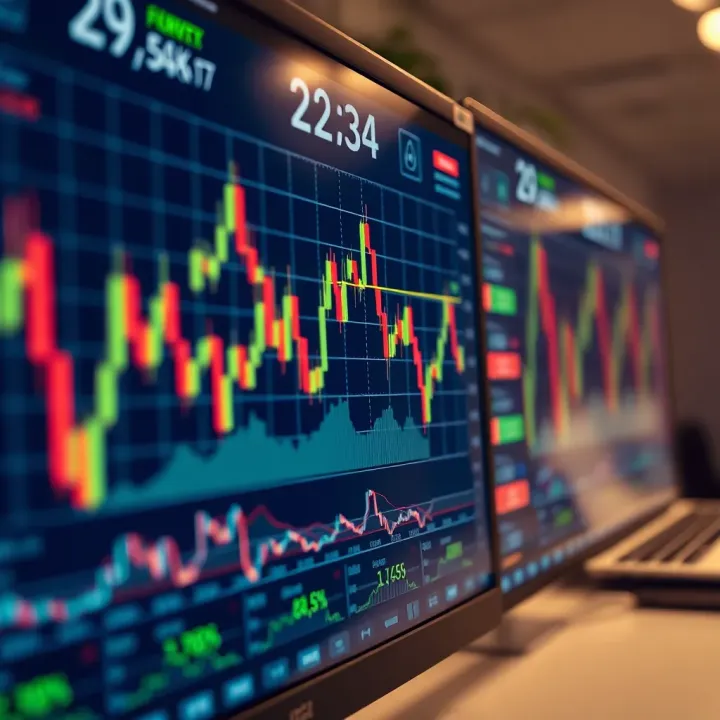
📈 Discover top free online Forex trading courses for beginners and intermediates. Learn key concepts, strategies, and avoid common pitfalls easily!
Based on 10 reviews