

Understanding Bearish Candlestick Patterns
📉 Learn how to spot bearish candlestick patterns showing potential drops in SA markets. Master common formations and sharpen your trading strategy for R gains.
Edited By
Sophia Reed
Bearish reversal candlestick patterns are key signals in trading that hint at a possible turn from rising to falling prices. For South African traders, whether you're active on the JSE or involved in currency or commodity markets, recognising these patterns can sharpen your timing and decision-making.
At their core, candlestick charts display price action with clarity, showing the open, high, low, and close prices in a compact format. When certain formations emerge after an uptrend, they suggest sellers might be gaining control, pushing the price down.

Unlike just guessing market sentiment, these patterns provide visual cues anchored in price behaviour. They include formations such as the Shooting Star, Evening Star, Bearish Engulfing, and Dark Cloud Cover. Spotting them requires paying close attention to the size and position of candle bodies and wicks.
A single bearish reversal pattern isn’t a guarantee of a price collapse but serves as a warning bell. Confirming signals like volume spikes or subsequent price action strengthen the case.
For example, a Bearish Engulfing pattern happens when a small green candle is followed by a larger red candle that fully covers the previous body. On the JSE, this could show investors selling off shares after a string of gains. Similarly, an Evening Star forms when a small-bodied candle sits between a rising and falling candle, marking indecision that tilts bearish.
When using these signals, local market conditions matter. Eskom-induced volatility or sudden changes in commodity prices might influence reversals differently compared to other markets. Combine candlestick analysis with broader economic news and technical tools like support and resistance levels to improve accuracy.
Key practical tips:
Focus your analysis on candles at or near key resistance levels.
Use volume as a confirmation when available, as higher selling volume often accompanies genuine reversals.
Practice patience: wait for the pattern to complete and confirm before acting.
Avoid relying solely on one pattern; integrate it within a broader strategy.
Understanding these darkening signals can help traders reduce risk and enter short positions or exit long ones at smarter points. With practice in reading candlestick formations amid South African market nuances, you gain a sharper edge.
Next, we will break down the most reliable bearish reversal candlestick patterns and how to identify them in real trading scenarios.
In trading, bearish reversal candlestick patterns are signals that an upward price trend may be weakening and could reverse into a downtrend. Understanding these patterns helps traders and investors anticipate market shifts, allowing them to make better-informed decisions about buying, selling, or holding a position.
Candlestick patterns offer a visual way to read market sentiment by showing the open, close, high, and low prices within a specific period. Unlike indicators that rely solely on numerical calculations, candlesticks reflect real-time psychological struggles between buyers and sellers. For example, a long green candle indicates bullish momentum, while a red candle may hint at selling pressure. These patterns help traders spot moments of indecision, exhaustion, or renewed strength in the market.
By focusing on bearish reversals, traders learn when buyers lose control and sellers start to dominate. This information is valuable, especially in volatile markets like the Johannesburg Stock Exchange (JSE), where sentiment can shift quickly amid local and global news.
Bearish reversal patterns form after a noticeable uptrend and indicate a possible shift towards lower prices. When such patterns appear, they suggest that the market is rejecting higher prices. Take, for instance, the Bearish Engulfing pattern: when a large red candle completely covers the previous green candle’s body, it shows strong selling pressure overtaking buyers.
Similarly, the Evening Star pattern combines three candles to warn of an impending downturn after buyers fail to push prices higher. These patterns act like early warning signs, giving traders time to adjust their strategies, set stop-loss limits, or secure profits.
Recognising bearish reversal candlestick patterns isn’t about predicting the future with certainty, but about reading the market’s mood and responding wisely to changing trends.
In practice, traders should combine these patterns with other tools like volume analysis or support and resistance levels to confirm signals. For example, spotting a Dark Cloud Cover pattern near a resistance zone with rising volume adds weight to the chance of a reversal.
In summary, bearish reversal candlestick patterns are practical markers showing where bulls may be tiring and bears ready to take over. This knowledge can improve entries and exits in trades, minimise losses, and increase the chances of capitalising on downtrends, especially crucial on local exchanges in South Africa’s dynamic markets.
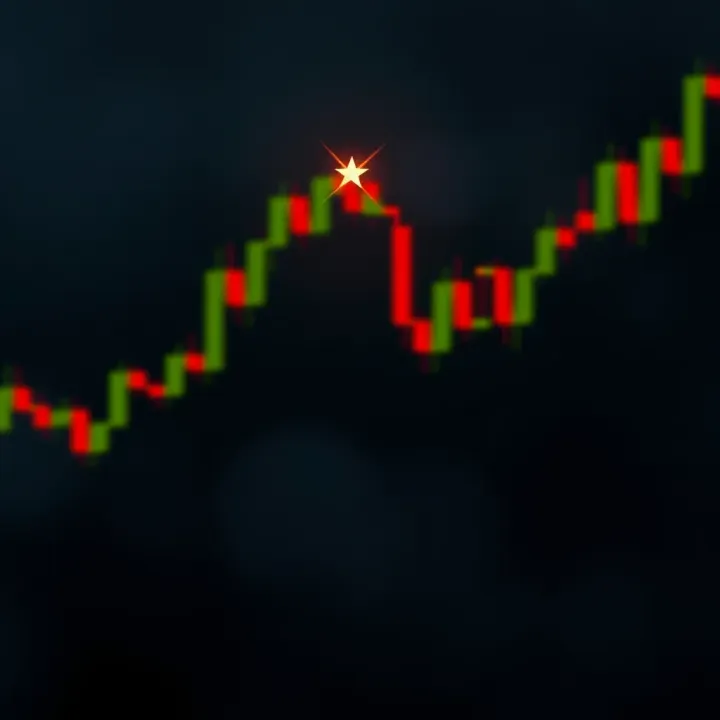
Recognising common bearish reversal patterns is a key skill for traders aiming to tap into market shifts before the crowd does. These patterns often appear after a sustained upward trend, hinting that sellers might be gaining ground. Understanding their formation helps traders time exits, set stop-loss levels, or even look for shorting opportunities with greater confidence. Familiarity with these patterns can refine your trading edge in the JSE and beyond.
The Evening Star is a classic three-candle pattern signalling a potential top. It begins with a strong bullish candle, followed by a small-bodied candle that gaps higher, reflecting indecision. The final candle is bearish, closing deeply into the body of the first candle. Imagine it as a bright star setting after a sunny day – price momentum fades, and bears start taking control. For example, if Naspers had a long green candle, then a doji or small-bodied candle, followed by a solid red candle breaking into the earlier bullish candle’s range, it could warn of a reversal.
Often spotted at swing highs, the Bearish Engulfing pattern consists of a smaller bullish candle immediately overtaken by a larger bearish candle. The key is that the red candle completely ‘engulfs’ the green, signalling a sudden shift in sentiment. It’s like a bakkie suddenly blocking the road after a line of sedans, forcing a halt. This pattern reflects strong selling pressure and can catch traders by surprise if they’re watching only for continuation signals.
This two-candle pattern shows a bearish candle opening above the previous bullish candle’s close but then closing well into its body. It suggests buyers tried to push higher, but sellers overwhelmed by the close. Think of a sunny morning that suddenly clouds over – expectations of a continued rise get dimmed quickly. In stocks like Sasol or Standard Bank, seeing this could warn that the rally may be stalling.
A single candlestick pattern marked by a small body at the bottom with a long upper shadow. It indicates rejection of higher prices after an uptrend. Picture a rocket shooting upwards but failing to break through the atmosphere and falling back. This pattern on the charts typically points to sellers stepping in after initial buying enthusiasm has dried up.
Similar in shape to the Shooting Star but occurs after a price rise and has a long lower shadow with a small body near the top. It suggests that even though prices closed near the high, sellers managed to push the price down significantly during the session, foreshadowing potential weakness ahead. It’s like a warning flag in the sky during a braai—things seem fine but trouble may be brewing.
Spotting these patterns requires context: high volume on the bearish candle and confirmation by subsequent price action increases their reliability. Remember, no pattern guarantees a reversal but incorporating them alongside market trends and support levels pays off in reading genuine market sentiment.
By regularly scanning for these common bearish reversal patterns, you’ll equip yourself to make better-informed decisions rather than reacting late when prices drop. Keep an eye out, and don’t forget to check volumes and market context before pressing the sell button or entering shorts.
When spotting bearish reversal candlestick patterns, confirming these signals is vital to avoid false alarms. Traders should never rely on a pattern alone; understanding the broader market picture is essential. Confirming key criteria helps you make better-informed decisions rather than jumping the gun on every bearish hint.
Volume reveals how much conviction lies behind a price move. A bearish reversal pattern paired with rising volume usually signals strong selling pressure. For instance, if the Bearish Engulfing pattern forms on a stock with heavy turnover, chances are it marks a genuine shift. However, if volume is thin, such as during a quiet holiday week in South Africa or just before a robot change, the pattern might lack strength.
Market context also matters. A reversal pattern appearing just below a recent high carries more weight than one forming amid a steady downtrend. For local markets like the JSE, external factors like economic data releases or changes in commodity prices (which often impact mining stocks) add layers to volume interpretation. Always consider what's driving market sentiment alongside volume.
Bearish reversals gain credibility when they emerge near key resistance zones. These areas represent price levels where sellers previously stepped in, halting upward momentum. For example, if a Dark Cloud Cover pattern appears around a known resistance level — say, near 7,500 points on the JSE All Share Index — the probability of a price pullback increases.
Conversely, spotting reversal patterns near support might signal a false signal or a potential bounce. Traders should map out recent swing highs and lows to identify these strategic levels. Software tools and charts often help by highlighting horizontal lines or trend channels. Identifying these zones sharpens your awareness about where sellers might enter the fray again.
To build confidence in bearish reversals, combine candlestick signals with other technical indicators. Momentum indicators like the Relative Strength Index (RSI) or Stochastic Oscillator can hint when a stock or asset is overbought, making a drop more likely.
Moving averages provide dynamic support and resistance. If a bearish reversal pattern coincides with price failing to break above the 50-day or 200-day moving average line, it strengthens the case for selling.
Also consider trend indicators such as the Moving Average Convergence Divergence (MACD). A bearish crossover on the MACD near a reversal pattern adds weight to the signal.
Combining volume, support and resistance, plus technical indicators paints a clearer picture than relying on candlesticks alone. This thorough approach prevents costly mistakes, especially in volatile markets like South Africa’s.
Altogether, confirming bearish reversal patterns with these criteria helps traders manage risk better and spot genuine opportunities to act — whether you're managing a personal investment or handling client portfolios in the local market.
Recognising bearish reversal candlestick patterns is one thing, but applying them properly in trading is where the rubber hits the road. These patterns provide signals about when a bullish trend might flip to bearish pressure, letting traders position themselves to either protect profits or enter short positions. In South African markets like the JSE, where volatility can spike due to economic announcements or loadshedding schedules, applying these signals with care is key.
Timing is everything in trading, and bearish reversal patterns can help you decide exactly when to pull the trigger. For example, after spotting a bearish engulfing pattern following a strong rally in a stock like Sasol or Naspers, entering a sell (or short) position too early might lead to losses if the reversal isn’t confirmed. Waiting for the next candle to close below the engulfing candle’s low adds confirmation. Conversely, when holding a position, spotting a shooting star pattern on a local bank share before an expected rate hike by the South African Reserve Bank (SARB) could signal an ideal exit point.
Using these patterns on their own can be risky without proper safeguards. Place stop-loss orders just above the high of the reversal candle to cap potential losses, especially in choppy markets like the JSE's Resources 10 index. Keep position sizes reasonable; never risk more than you can afford to lose on a single trade. Combining bearish candlestick signals with other indicators — such as the Relative Strength Index (RSI) or moving averages — can strengthen your risk management by reducing false signals.
One common mistake is relying purely on the pattern without considering broader market context. For instance, a hanging man pattern in an illiquid stock might mislead inexperienced traders. Another pitfall is ignoring volume; if volume isn’t in sync with the pattern, the signal weakens. Also, impatience can ruin trades — jumping at the first hint of a pattern is risky, especially during heavy news days or South African public holidays when markets behave unpredictably. The key is to confirm patterns with follow-up price action and maintain discipline.
Practical use of bearish reversal candlestick patterns involves more than spotting shapes on the chart. Consider timing, risk management, and market context to make trading decisions that enhance your edge in volatile South African markets.
By applying these principles thoughtfully, traders can navigate downward price moves better and safeguard capital during uncertain periods.
Bearish reversal candlestick patterns hold particular significance for traders navigating the Johannesburg Stock Exchange (JSE) and other South African local markets. The fundamentals of these patterns apply universally, but the way they interact with the unique characteristics of our markets calls for specific adjustments in analysis and strategy.
South African markets like the JSE tend to reflect a mix of global economic influences and local dynamics such as commodity prices, political developments, and exchange rates. For instance, shares of mining companies like Anglo American or Sibanye-Stillwater often experience price swings driven by international commodity demand but remain sensitive to rand fluctuations. This interplay means bearish reversal patterns may signal different implications here compared to strictly global indices.
Traders should factor in the correlation between the identified candlestick patterns and local catalysts such as changes in SARB (South African Reserve Bank) monetary policy or Eskom loadshedding schedules. A bearish engulfing pattern appearing around the time of an interest rate hike announcement may carry more weight as a reversal signal. Likewise, factors like liquidity constraints in less frequently traded counters demand greater scrutiny when relying on these candlestick readings.
The South African market is often more volatile than many developed ones, partly due to political uncertainty, currency swings, and commodity price sensitivity. These factors can cause sharper reactions to price patterns, meaning false signals may also occur more frequently.
Risk management is critical here. For example, a shooting star pattern on the share price of a retail company like Mr Price might precede a swift correction if consumer confidence dips. Still, traders should be careful not to act solely on the pattern without cross-referencing broader market trends or macroeconomic cues.
Successful use of bearish reversal patterns in South Africa involves blending technical analysis with local insight. Paying close attention to volatility spikes and external events can improve timing and reduce costly mistakes.
In practical terms, combining bearish reversal signals with tools like RSI (relative strength index) or moving averages, while also staying informed on political news or exchange rate trends, can help confirm whether a reversal is genuine. This approach equips investors to adapt their strategies to Mzansi’s unique market tempo, thereby making informed decisions that respond to both chart patterns and South African realities.
Ultimately, mastering these adaptations increases a trader’s edge, enabling sharper timing for entering or exiting positions on the JSE and beyond, amid loadshedding, rand swings, and shifting policy landscapes.
📉 Learn how to spot bearish candlestick patterns showing potential drops in SA markets. Master common formations and sharpen your trading strategy for R gains.

📉 Learn to spot hammer candlestick patterns, their role in market reversals, and practical trading tips for South African markets. Avoid common pitfalls! 🔍

📊 Understand common chart patterns and how to trade them with confidence. Learn to spot bullish and bearish signals for better market decisions in South Africa and beyond.

📈 Learn high profit candlestick patterns to boost your trading skills! Practical tips, common mistakes, & PDF resources for South African traders.
Based on 15 reviews