
Understanding Free Daily Forex Trading Signals
📈 Explore how free daily forex trading signals work in South Africa, learn to evaluate providers, manage risks, and improve your trading strategy effectively.
Edited By
Emily Clarke
Automated forex trading robots, commonly known as Expert Advisors (EAs), have become a popular tool for traders aiming to take the hassle out of active currency trading. These robots are software programs designed to execute trades on your behalf based on pre-set rules and algorithms, running incessantly without the fatigue or emotion that often affects human traders.
At their core, forex robots analyse market data like price movements, trends, and indicators in real time and trigger buy or sell orders automatically. This 24/7 operation lets traders seize opportunities even outside usual trading hours, a clear advantage in South Africa’s shifting time zones and global market connectivity.
You might wonder how exactly they work in practice. For instance, a trader sets parameters such as stop-loss, take-profit, or specific technical signals (like RSI or moving averages). The automated robot then monitors those criteria constantly, responding within milliseconds to market changes. This can be especially handy during Eskom loadshedding times when manual monitoring becomes tricky.
Using these robots isn’t about completely outsourcing your trading but rather about complementing your strategy with consistent, emotion-free execution.
Most trading platforms popular in South Africa, such as MetaTrader 4 (MT4) or MetaTrader 5 (MT5), support these automated systems. Bots can be custom-built by developers or chosen from a marketplace, but it's crucial to evaluate their historical performance and not rely on promises of guaranteed profits.
Here are a few things to keep in mind:
Customization: Pick or develop a robot that suits your risk appetite and trading style.
Backtesting: Run the robot against historical data to check how it would have performed.
Risk Management: Ensure safeguards like maximum drawdown limits are in place.
Monitoring: Even automated, your bot needs regular checks, especially when market conditions shift abruptly.
Trading robots can speed up decision-making and reduce the mental strain of forex markets. But without proper knowledge and cautious use, they can also expose you to risks like overtrading or system errors—something no trader in Johannesburg or Cape Town wants to face without a plan.
Understanding how automated forex robots work is an essential step before trusting them with your capital. This foundation helps you choose tools wisely, adapt strategies to local market nuances, and ultimately trade smarter in the South African forex scene.
Automated forex trading robots are tools designed to carry out trades on the forex market without human intervention. Understanding how these work is essential for anyone looking to use them effectively. They operate by continuously analysing vast amounts of market data and executing trades when certain predefined conditions are met. This approach can help traders keep up with the fast-moving forex market, especially because the market is open nearly around the clock.
Trading robots, also called Expert Advisors in platforms like MetaTrader, are computer programmes that follow set algorithms to trade currency pairs. They aim to remove human emotion from trading decisions by sticking strictly to the rules programmed into them. For instance, a robot may be set to buy a pair when a moving average crosses above a certain threshold and sell when it drops below.
These algorithms digest real-time market data such as price movements, volume, and technical indicators. They apply mathematical models and sometimes statistical or machine learning techniques to identify trading opportunities. It’s similar to having a technician constantly scanning charts for signals without getting tired or distracted.
Once a trading signal is confirmed by the algorithm, the robot directly executes buy or sell orders on your behalf. This eliminates delays caused by manual input and ensures trades happen instantly according to predefined strategies. It also allows for 24/7 market participation, which is vital given that forex operates across different time zones.
Fully automated systems handle all trading processes — from analysis to order execution — without you needing to intervene. Semi-automated ones might generate trade signals or alerts, but leave the final decision and execution to you. South African traders often prefer starting with semi-automated systems to maintain some control while learning how algorithms perform.
The MetaTrader 4 and MetaTrader 5 platforms remain popular due to their robust algorithmic trading support and large user base. Other platforms like cTrader and NinjaTrader also offer strong automated trading capabilities. Many South African brokers support these platforms, allowing seamless integration. These tools come with built-in editor tools, strategy testers, and marketplaces where you can source or buy robots.
For a robot to trade effectively, it must integrate smoothly with your broker’s system. This means being able to access your trading account and place orders directly through the platform’s API (application programming interface). In South Africa, reputable brokers regulated by the FSCA ensure such integration meets compliance standards. Always ensure your chosen robot and broker can communicate reliably to avoid execution errors or delays.
Automated forex trading robots work best when you understand their underlying mechanisms. Knowing how algorithms analyse data, execute trades, and connect with brokers is fundamental to trading smartly and safeguarding your investment.
Automated forex trading robots bring both practical benefits and certain pitfalls that traders need to weigh carefully. These tools offer an opportunity to execute trades efficiently without manual input, but understanding both the advantages and inherent risks is key to using them wisely, especially in South Africa’s dynamic forex environment.
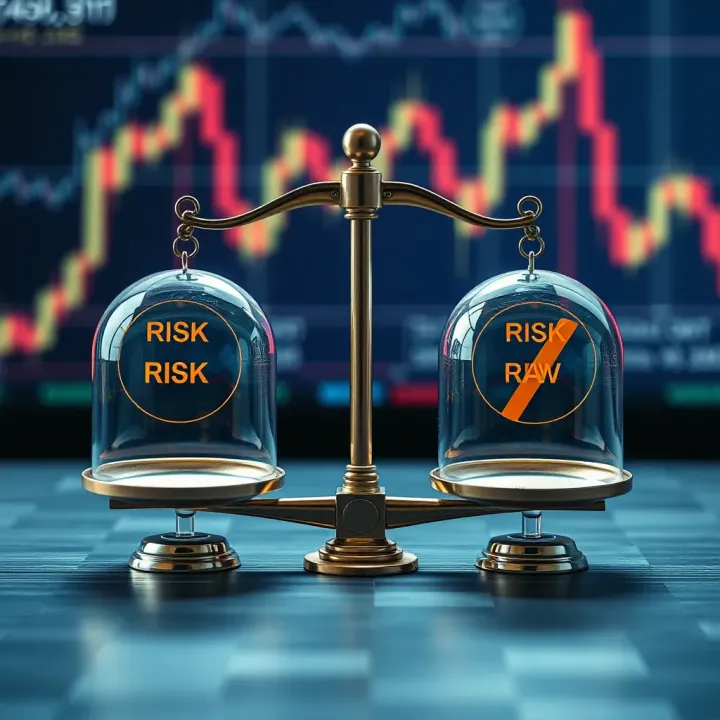
Automated trading robots can analyse market data and place orders in milliseconds—far quicker than any human trader. For example, if the USD/ZAR exchange rate hits a predetermined level, a robot can instantly execute a buy or sell order without delays caused by manual input. This speed minimises the risk of slipping prices and helps capture favourable entry or exit points before conditions change.
Unlike humans, trading robots don’t tire or lose focus. The forex market operates around the clock, and with global time zones, currency pairs can be volatile outside South African business hours. A robot can monitor and trade continuously, catching opportunities during Asian or European sessions, while you sleep. This 'always-on' capability means you won’t miss trades simply because you were offline or distracted.
Emotions such as fear and greed often cloud human judgment, leading to impulsive trades or holding losing positions too long. Robots strictly follow programmed rules, ensuring consistent, emotion-free execution. For instance, if a stop-loss is set, the robot will not hesitate or second-guess but exit the trade as planned, potentially saving capital during turbulent markets.
The effectiveness of a forex trading robot heavily hinges on its underlying algorithm and assumptions about market behaviour. Poorly designed algorithms can misread signals or fail in unusual conditions like sharp rand volatility during political upheaval. For example, a robot tuned to stable market trends may perform poorly when rand suddenly weakens after an unexpected Eskom loadshedding announcement.
Reliance on technology opens the door to problems such as internet outages, software bugs, or power interruptions. If your trading setup loses connection with the broker's server during a crucial moment, orders may fail or execute at unfavourable prices. South African traders, mindful of sporadic loadshedding, should consider backup power solutions to mitigate these risks.
Some robots offer impressive backtested results but fail in live markets due to over-optimisation—fine-tuning to past data that doesn’t predict future moves well. Meanwhile, the market sees scams where unscrupulous sellers promise guaranteed profits with ‘secret’ robot systems. Such claims often mislead traders into costly mistakes. Wise users verify results independently and choose reputable providers.
Using forex trading robots requires balancing the convenience of automation with awareness of their limits and risks. Knowledge and diligent testing are your best safeguards.
This balanced view helps South African traders approach automated forex trading with clear expectations and practical safeguards.
When choosing a forex trading robot, focusing on the right features can make all the difference between a tool that helps grow your investment and one that drains your account. Traders in South Africa, especially, need robots that offer transparency, control over risk, and fit well with local brokers’ platforms. Let’s break down these key qualities.
Access to verified track records is a must-have in any credible forex robot. This means you should be able to see authentic reports of past performance, not just flashy marketing pitches. Think of it like buying a car: you’d want the service history and accident reports before handing over your cash. Similarly, with trading robots, verified track records show how the software has performed under real market conditions. South African traders should look for robots with third-party audited results rather than unproven claims, as this reduces the chance of being caught out by overhyped promises.
Backtesting results and live trading data also provide valuable insight. Backtesting involves running the robot against historical market data to check how it would have performed, while live trading data offers a snapshot of current real-time results. Though backtesting can't guarantee future success, it helps identify if the robot's strategy holds up during varied market phases. A robot that performs consistently in both backtesting and live trading gives traders more confidence it can handle South Africa’s forex market volatility.
A reliable forex robot should allow you to set stop-loss and take-profit parameters. These settings control when the robot should cut losses or lock in profits. Without them, a robot might hold onto losing trades too long or exit winning trades prematurely. For instance, if you set a stop-loss at 2% per trade, your total capital won't tank in a single bad move. This kind of user control helps South African traders manage risk better in a market that can swing dramatically due to global and local economic news.
Additionally, the ability to adjust strategies based on market shifts is crucial. Markets don’t stay the same – political elections, Eskom loadshedding updates, or unexpected interest rate changes affect currency trends. If your robot can tweak its strategy to adapt—for example, becoming more cautious during volatile times—it protects your investment from avoidable downturns. Robots without this flexibility often struggle when market conditions suddenly change.
Good customer support availability is often overlooked but vital. Imagine waking up to find your robot has stopped trading properly because of a software glitch or connectivity issue. Having access to prompt support can save your capital from avoidable losses. Ideally, support should be reachable during South African trading hours and offer practical help, not just generic FAQs.
Finally, check the robot’s compatibility with popular South African brokers such as IG Markets, HotForex, or FXCM SA. Compatibility means the robot integrates smoothly with your account and trading platform, ensuring orders execute correctly without delay or errors. A mismatch here can lead to slippage or failed trades, which hurt your bottom line. Always confirm this technical fit before committing financially.
Choosing the right features when picking a forex trading robot is about protecting your investment and putting yourself in the driver’s seat. Transparency, control, support, and compatibility should top your list to trade smarter in South Africa’s forex market.
Understanding the legal and regulatory landscape is vital for anyone using automated forex trading robots in South Africa. Forex trading isn’t just about making smart deals; you also need to follow rules designed to protect traders and ensure fair markets. Ignoring these can lead to penalties, blocked accounts, or worse—including losing your investment.
The Financial Sector Conduct Authority (FSCA) plays a major role in overseeing all financial services in South Africa, including forex trading. Its job is to make sure brokers and trading platforms operate fairly, transparently, and within the law. When you pick a broker or choose a trading robot, check that they are FSCA-licensed—that’s a strong sign they meet regulatory standards and aren’t a scam.
The FSCA also educates the public and monitors market conduct to protect clients from unfair practices. For example, if a trading platform promises unrealistic returns, the FSCA can intervene. This is spot-on for protecting you from questionable automated systems that make grand claims without proof.
South African brokers must have an FSCA licence and comply with local financial laws, including the Financial Advisory and Intermediary Services (FAIS) Act. This means brokers need to be transparent about fees, risks, and how their trading software operates. Your trading robot should work seamlessly with FSCA-regulated brokers to keep your funds secure.
Trading software also falls under the FSCA’s watchful eye. Software providers must ensure their robots do not enable market abuse or client exploitation. Always review the terms and conditions to understand your rights and the software’s legal standing. This can save you headaches later, especially if anything technical goes wrong during trades.
Several client protection mechanisms help you minimise risk. For instance, FSCA-regulated brokers must segregate client funds from their operational accounts. This means your money isn’t mixed with the broker’s own cash and is safeguarded if the broker runs into trouble.
Moreover, many brokers offer dispute resolution services and belong to schemes that protect clients if things go sideways. Knowing these protections is crucial, especially when automated systems trade on your behalf without immediate oversight. Should disputes arise, these measures give you strong grounds to lodge complaints or seek compensation.
The South African Revenue Service (SARS) treats forex trading profits as taxable income. Whether you trade manually or use a robot, you must declare your earnings in your annual tax return. The key question is whether you are classified as a trader or an investor, which affects tax rates and allowable deductions.
For example, a casual trader might declare profits under capital gains tax, while someone trading systematically with robots may fall under income tax rules. It’s wise to consult a tax specialist to avoid underreporting or misclassification, which can trigger audits or fines.
Keeping detailed records is vital. SARS requires you to have clear documentation of all trades, including dates, amounts, profits, and losses. Automated trading generates a lot of transactions, so use your broker’s statements and trading software logs to compile this.
Good record-keeping also helps when adjusting your strategy. Plus, it simplifies tax reporting at year-end and ensures you back up claims on deductions or losses. Without accurate records, SARS may disallow expenses or challenge your tax return, causing unnecessary hassle.
Navigating South Africa’s legal and tax rules isn’t optional for forex traders—it's essential to protect your investments and avoid costly mistakes.
By understanding and respecting these legal and tax requirements, you set yourself up for safer and more sustainable trading with automated forex robots. Always choose FSCA-regulated brokers and stay on top of SARS obligations to keep your trading journey smooth and compliant.
Using forex trading robots can simplify your trading efforts, but knowing how to operate them effectively is just as important. This section covers practical advice to help South African traders make the most of these tools while managing risks and adapting to real market conditions.
Importance of demo accounts for trial runs
Starting out, it’s smart to use a demo account to test your trading robot without risking real money. Demo accounts simulate live market conditions, letting you see how the robot handles price movements and executes trades. For example, a trader in Johannesburg might run the robot on a demo MT4 account through a popular local broker before committing any capital. This trial phase uncovers bugs or poor settings, reducing costly mistakes.
Adjustments based on live market performance
After testing, you need to monitor how the robot performs with a small real-money account. Markets never behave exactly as backtests predict, so tweaks to risk parameters or trade frequency might be necessary. If the robot starts missing key trades during volatile sessions—like around the South African Reserve Bank’s interest rate decisions—you must intervene and adjust strategies or pause trading.
When to intervene manually
Automated robots handle many scenarios, but they aren’t infallible. Sudden shifts such as unexpected Eskom load shedding announcements or geopolitical tensions can disrupt typical patterns. In such moments, keeping an eye on your trades and manually intervening—pausing the robot or overriding trades—helps protect your capital. Remember, automation doesn’t mean “set and forget”.
How economic events affect automated strategies
Large-scale economic events can cause unusual volatility or trends. Robots relying on historic price action might struggle during periods surrounding the release of South African GDP figures or global events like US Federal Reserve meetings. Programming your robot to either stop trading or reduce position sizes during these windows helps preserve gains.
Safeguarding login credentials
Trading accounts and robots require secure logins to prevent hacks. Use strong, unique passwords and enable two-factor authentication where possible. For instance, a trader should avoid sharing credentials via email or chat apps like WhatsApp. Compromised login details can lead to unauthorised trades and losses.
Choosing reputable software and brokers
Always select forex robots and brokers with solid reputations and regulatory oversight, like those licensed by the Financial Sector Conduct Authority (FSCA). Avoid deals that promise guaranteed returns or come from unverified sources. Well-known platforms like MetaTrader combined with respected local brokers reduce the risk of fraud or poor service.
Proper testing, awareness of market conditions, and robust security are your best allies when using automated forex robots. These practices help you trade smarter and safeguard your investment amid the highs and lows of forex markets.
📈 Explore how free daily forex trading signals work in South Africa, learn to evaluate providers, manage risks, and improve your trading strategy effectively.
📈 Explore how forex trading may evolve amid tech shifts, regulations, and market trends in South Africa and beyond. Will it stand the test of time? 🌍
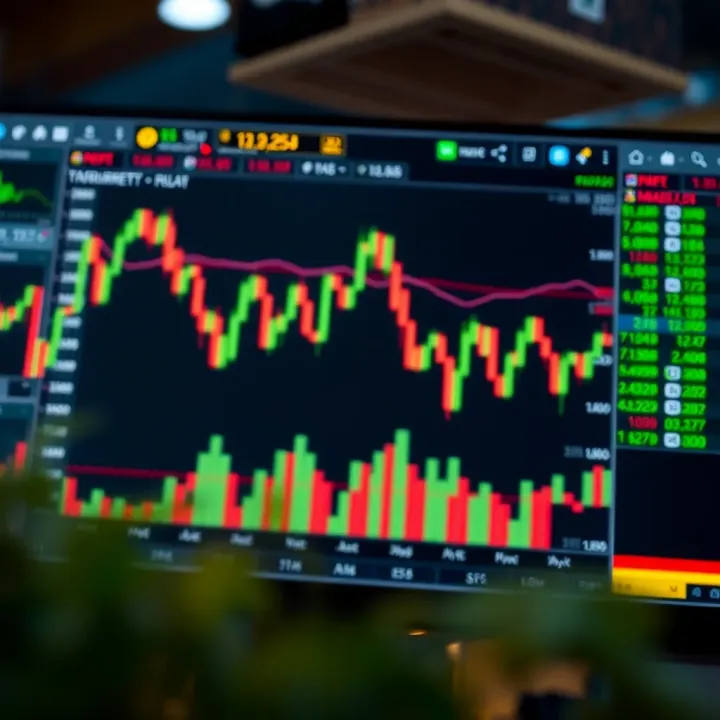
Learn essential forex trading strategies and risk management tips to improve your currency market moves 📈. Perfect for beginners and seasoned traders alike!
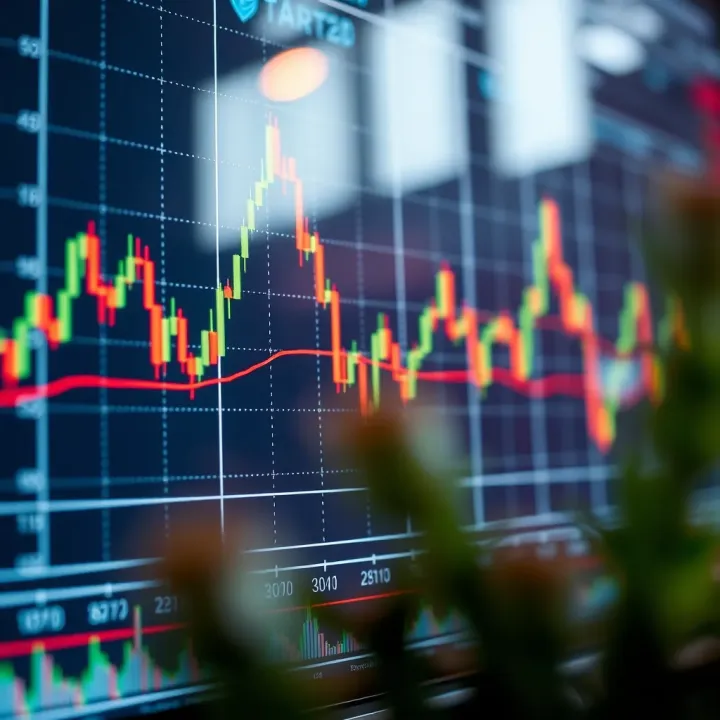
📈 Learn when to buy and sell in forex trading with practical strategies, key timing tips, and risk management to protect your investments effectively.
Based on 9 reviews