
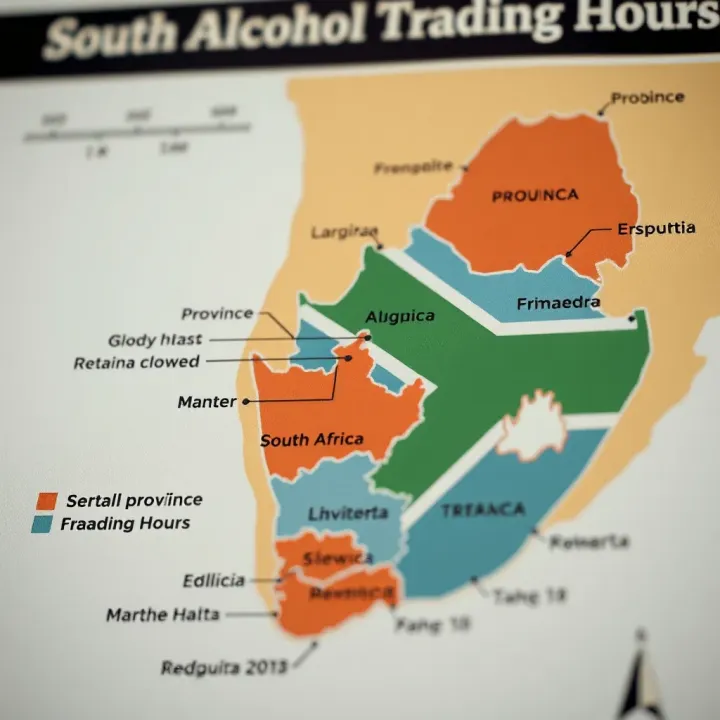
Alcohol Trading Hours in South Africa Explained
🍻 Discover how alcohol trading hours vary across South African provinces and municipalities, their impact on businesses, consumers, and upcoming policy shifts.
Edited By
Chloe Edwards
South Africa's Level 3 lockdown brought back specific rules for buying and selling alcohol, which has kept businesses and consumers on their toes since 1 June 2021. These regulations set strict trading hours for alcohol sales to limit social gatherings and help curb Covid-19 infections. For traders and investors, understanding these rules is key to navigating the market shifts and potential risks involved.
Under Level 3 restrictions, alcohol sales are permitted only during limited times, typically weekdays from 10 am to 6 pm and Saturdays from 9 am to 5 pm. Sundays and public holidays usually see a complete ban on alcohol sales. These hours apply to licensed retailers, including bottle stores, supermarkets, and on-premise venues like bars and restaurants, though the latter faced longer shutdowns during the pandemic.
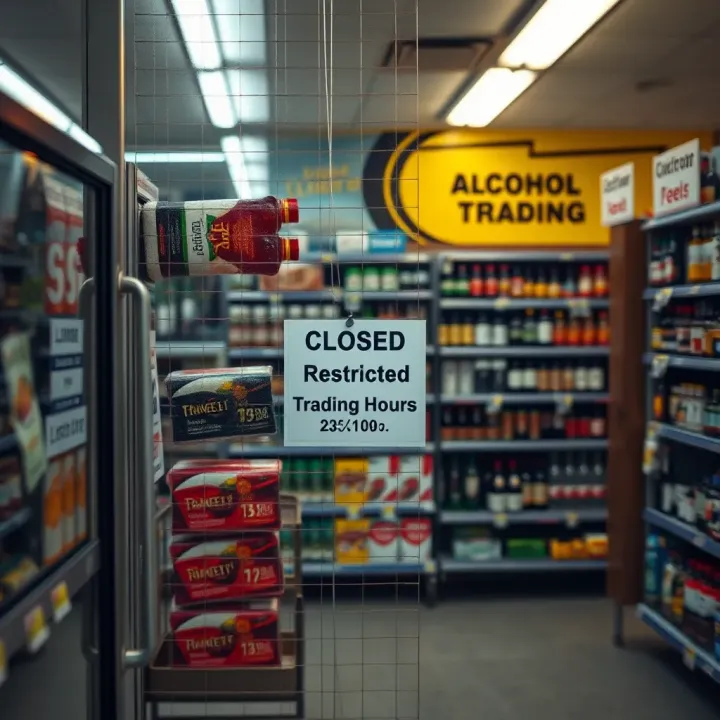
Enforcement remains a challenge, with some traders struggling to comply fully due to demand pressures and unclear guidelines at times. Authorities have conducted spot inspections and imposed fines on establishments violating the hours, adding another layer of operational risk.
Businesses have adapted in various ways to cope with these limits. Many liquor retailers have adjusted staffing and stock ordering to match the tighter windows, some offering click-and-collect services to serve clients quickly when allowed. Consumers, too, have shifted purchase habits, buying strategically within the permitted times, which in some cases led to spikes in sales just before restrictions kick in.
From an investment angle, the alcohol sector's volatility under these restrictions has prompted closer scrutiny. Stock movements of major players on the Johannesburg Stock Exchange (JSE) reflect how closely alcohol sales regulations can impact sector performance. Investors need to weigh the risks of further lockdown adjustments or sudden policy changes affecting near-term earnings.
Understanding the nuances of these trading hours helps traders, brokers, and entrepreneurs plan better. Knowing exactly when alcohol sales are allowed and how enforcement unfolds on the ground can mean the difference between smooth operations and costly disruptions.
In the following sections, we'll outline the official Level 3 alcohol trading hours, discuss common enforcement challenges, examine economic impacts for businesses, and spotlight practical responses from both traders and consumers currently facing this cautious reopening.
Understanding the official alcohol trading hours under Level 3 is vital for retailers, bars, and investors in South Africa’s hospitality sector. These regulations directly influence business operations, revenue streams, and compliance risk. For instance, a typical bottle store in Johannesburg needs to adapt its trading times to avoid penalties and optimise sales within legal windows, while pubs must balance customer demand with curfews.
The Level 3 alcohol trading rules restrict the selling and distribution of alcohol within designated times to curb excessive consumption and related social harms. Practically, this means alcohol can only be sold during specific hours, impacting everything from supply chains to customer footfall. A liquor retailer can no longer operate freely throughout the day but must closely follow these regulations.
The legal framework rests on several government proclamations and amendments issued under the Disaster Management Act, accompanied by notices published in the Government Gazette. These documents detail the exact hours allowed, penalties for infringement, and define exceptions such as deliveries to licensed premises or special events. Staying informed of these notices is crucial for businesses aiming to avoid fines or licence suspension.
Compared to previous lockdown levels, Level 3 allows somewhat expanded trading but maintains strict limits to prevent overcrowding and curb alcohol-related incidents. Earlier levels might have imposed complete bans or shorter hours, but Level 3 introduces a balance aiming to revive economic activity while still safeguarding public health. This shift requires businesses to adjust operational strategies accordingly.
Licensed establishments such as bars and restaurants are generally permitted to sell alcohol between 10:00 am and 6:00 pm under Level 3. This window restricts normal operating hours considerably, forcing business owners to focus on earlier trading periods instead of evening peak times common in the hospitality industry. For example, an inner-city bar in Cape Town will need to attract customers who prefer daytime drinking or offer alternative non-alcoholic products later.
Take-away alcohol sales also face tight restrictions, usually aligning with the same hours as on-site consumption. This means bottle stores cannot sell liquor outside these times, curbing late-night sales that often lead to disorder. Such rules require retailers to train staff on compliance and manage inventory effectively to meet demand in shorter windows.
The national curfew, typically starting around 9:00 or 10:00 pm, further limits alcohol trading as no sales can occur once the curfew begins. This legal boundary ensures that alcohol trade does not extend into restricted hours when social gatherings and public safety risks rise. Compliance with curfew and trading times is essential to avoid fines or forced closures, especially in areas with active law enforcement.
Businesses that ignore these regulations risk heavy penalties, including hefty fines and loss of liquor licences—potentially devastating for operators already under strain from the pandemic.
By knowing the official hours, businesses can plan shifts, stock levels, and promotions more wisely while consumers can align their purchasing habits, easing enforcement and supporting community safety at the same time.
Enforcing alcohol trading restrictions during Level 3 is a key part of South Africa's effort to manage public health while allowing some economic activity to continue. Law enforcement plays a practical role in ensuring licensed outlets, from retailers to pubs, stick to the prescribed trading hours. This not only helps prevent the spread of COVID-19 but also reduces alcohol-related incidents during a time when hospitals face pressure.
Police and municipal officials are charged with monitoring compliance across towns and cities. Their responsibilities include regular checks at licensed venues to confirm they operate only within allowed hours, and verifying that take-away alcohol sales do not breach curfews. They coordinate with liquor boards to track licences and follow up on complaints from the public.
That said, enforcement isn't straightforward. Officers face challenges such as limited staff numbers, especially when juggling other duties like maintaining public order during alerts or protests. Some businesses may operate in hard-to-reach areas or camouflaged locations, making routine checks tricky. Additionally, inconsistent communication about rules can cause confusion, affecting enforcement clarity.
Penalties for flouting restrictions can be severe. Businesses caught trading outside permitted hours risk fines, temporary suspensions of their liquor licences, or even criminal charges in repeat cases. For instance, a Cape Town bar caught selling alcohol an hour past curfew might face a significant fine and a liquor board hearing. Such measures aim to discourage non-compliance and level the playing field for those abiding by the rules.
Retailers and bars show varying degrees of adherence. Many well-established outlets comply strictly to avoid penalties, adjusting their operating hours accordingly and training staff on legal obligations. However, some smaller or informal traders may struggle with the constraints, either due to financial pressure or limited awareness of updates to the rules.
Enforcement action examples abound. In Gauteng, police recently carried out raids on outlets selling alcohol beyond permitted times, resulting in several fines and confiscation of stock. These interventions send a clear message and help maintain order, though they also spark debates about fairness, especially for businesses already hurting financially.
Industry feedback reflects mixed sentiments. On one hand, trade associations understand the public health rationale and cooperate with authorities. On the other, many express concern over the economic impact of shortened trading hours, citing lost revenue and job insecurities. South African Hospitality Association (SAHA) representatives have called for clearer guidelines and more support for affected businesses to help them weather the restrictions.
Effective enforcement balances public safety with economic realities. Clear communication and practical support empower both law enforcement and businesses to comply without unnecessary hardship.
Understanding enforcement dynamics under Level 3 provides traders, investors, and analysts with a realistic picture of the operating environment, helping them make informed decisions amid ongoing lockdowns.
Level 3 restrictions have hit the hospitality sector hard, especially pubs, restaurants, and nightclubs, where alcohol sales make up a large chunk of income. Reduced trading hours mean fewer customers and lower takings, which often leads to cutbacks in staff hours or even retrenchments. An example is a popular Gauteng pub that reported a 40% drop in sales since the restrictions started, forcing them to tighten their belts and rethink staffing.
The ripple effects go beyond just the venues. Suppliers of alcoholic beverages, from wholesalers to delivery drivers, experience a sharp decline in orders. A Cape Town-based distributor noted that several smaller retailers have either delayed payments or temporarily stopped ordering stock. This uncertainty strains cash flows and disrupts supply chains.
Some businesses are switching gears to survive, embracing home delivery and pre-order systems. For instance, several outlets now offer online sales and scheduled collections, helping to keep cash flowing despite limited trading hours. Others diversify by promoting non-alcohol products or collaborating with food delivery platforms like Mr D to reach customers stuck at home.
Tighter alcohol trading hours aim to reduce alcohol-related harm, which includes traffic accidents, domestic violence, and violent crime. In KwaZulu-Natal, police reported a noticeable dip in weekend incidents linked to excessive drinking during early lockdown phases. However, some caution that informal or illegal sales may rise, presenting new challenges.
Communities have mixed reactions. While many support measures that lower crime and help hospitals cope, others feel the pinch economically and socially. In townships where informal taverns serve as social hubs, restrictions disrupt daily life and income. Local leaders often call for balanced approaches that consider these realities.
The key challenge is finding middle ground. Authorities aim to protect public health without destroying jobs or livelihoods that depend on alcohol sales. Engaging business owners, frontline workers, and community representatives in dialogue can help craft practical solutions that work for all. For example, staggered trading hours or targeted support for hardest-hit sectors might soften the blow while keeping restrictions effective.
Restrictions on alcohol trading during Level 3 reflect South Africa’s ongoing struggle to manage public health risks without harming the economy unduly. Understanding the economic and social ripple effects helps stakeholders navigate these tough waters.
Consumers have had to rethink how, when, and where they get their drinks under Level 3 restrictions. These changes affect not just individual habits but also the wider retail sector and hospitality businesses. Understanding consumer responses offers key insights for entrepreneurs and traders on market behaviour during this unusual time.
Shift to earlier buying times
Many shoppers now buy alcohol earlier in the day to beat the cut-off times imposed on sale hours. For instance, instead of buying a bottle from the local bottle store after work, customers visit by lunch or mid-afternoon. This shift compresses demand into shorter windows, often leading to queues and stock shortages at certain times.
This adjustment affects retailers who must manage inventory and staff differently. Some stores in Gauteng and the Western Cape reported customers lining up at 2 pm or earlier as they race to secure supplies before the early closing.
Increase in home consumption
With restrictions on pubs and shebeens in place, many turn to home consumption. The pandemic environment and curfews encourage socialising in smaller groups or family settings. This trend boosts sales of take-home alcohol products but also shifts purchasing preferences to bulk buys or cheaper options to stretch budgets.
Suppliers and retailers note a rise in demand for larger bottles of wine or multipacks of beer, as shoppers try to avoid frequent trips. This has changed the usual pattern where on-premise consumption dominated evenings.
Use of delivery services
Delivery platforms, including some local apps and WhatsApp orders, have gained traction. Especially in urban areas like Johannesburg and Cape Town, consumers prefer doorstep delivery to avoid crowds and comply with curfews.
While delivery offers convenience, it also raises regulatory questions around legal trading hours and responsible selling. Some outlets have adapted by partnering with digital services that verify customer age and restrict orders to allowed hours.
Public awareness campaigns
Government and industry groups have run information drives to clarify when and how alcohol can be sold and consumed under Level 3. These campaigns use radio, social media, and posters to reach a diverse audience.
Clear messaging helps reduce misunderstandings and encourages compliance. For example, Fines for breaching trading hours are widely communicated to avoid accidental offences, especially in communities less familiar with new regulations.
Common misconceptions about trading hours
Despite awareness efforts, many still believe they can buy or consume alcohol outside the set hours. Rumours persist, such as ‘‘off-sales’’ being allowed after 6 pm or that home deliveries are unrestricted.
Correcting these myths is critical for retailers and consumers alike. Traders must stay informed and guide clients to avoid illegal sales that could draw fines or licence revocations.
Advice for responsible consumption
Restrictions on trading hours are partly aimed at reducing alcohol-related harm. Consumers are encouraged to drink responsibly, particularly as smaller social gatherings increase home consumption.
Being mindful of consumption limits helps prevent health issues, accidents, and interpersonal conflicts. Suppliers and community groups often share tips on pacing drinks and not stockpiling excessive alcohol volumes.
In summary, consumers have adjusted their buying behaviours and attitudes in response to Level 3 alcohol restrictions. This evolving landscape requires clear communication and cooperation between shoppers, retailers, and regulators to ensure rules are followed and public health is supported.
Understanding what lies ahead with Level 3 alcohol trading hours is vital for businesses, investors, and analysts keeping tabs on South Africa’s hospitality sector. These regulations don’t just affect sales today but also shape longer-term strategies and economic recovery post-lockdown. Traders need to gauge how changes might influence stock demand, while entrepreneurs must plan their operations around potential flexibility or stricter controls.
The government regularly reviews the alcohol trading restrictions in response to public health data and economic pressures. These reviews assess COVID-19 infection rates alongside reports from law enforcement and industry. For example, a drop in hospital admissions related to alcohol-fuelled incidents might prompt easing of trading hours, allowing shops and pubs to operate longer, while a spike could bring tighter restrictions.
Such processes involve consultations with health experts, the police, and industry representatives, ensuring decisions balance safety and economic needs. Traders and analysts should watch announcements closely, as even small shifts in permitted hours can ripple through supply chains and consumer behaviour.
Retailers, liquor associations, and civil society groups actively lobby for changes to the current restrictions. Industry players argue that extended hours could help recover lost revenue and safeguard jobs, especially in smaller towns where alcohol sales support local economies. Meanwhile, public health advocates often stress caution, concerned about potential increases in alcohol-related harm.
This push and pull directly impacts regulatory outcomes. Businesses that adapt by demonstrating responsible trading and compliance typically strengthen their position when engaging policymakers. Investors might consider how these dynamics influence market confidence and sector stability.
Looking forward, we might see trading hours extended slightly – for instance, allowing sales until 8 pm instead of 6 pm – if infection rates stay low. Conversely, a resurgence of cases could lead to earlier cutoffs or even temporary bans in high-risk areas.
Scenario planning is crucial. For example, a large national retailer might prepare supply logistics to handle a sudden increase in demand if hours expand. Alternatively, a small venue may need contingency plans for tightening. These shifts affect how businesses manage staffing, stock levels, and cash flow.
The pandemic experience has showed that South Africa’s alcohol regulation can be more flexible and responsive than previously assumed. Authorities might move towards a more data-driven, region-specific approach rather than blanket national rules. Such targeted interventions could reduce unnecessary economic strain while keeping public safety in check.
For businesses and investors, this signals a shift towards needing better local market intelligence and agility. Being able to respond quickly to changes in regional regulations will be crucial.
Lockdown restrictions exposed how heavily some sectors rely on unrestricted alcohol sales. Lessons include recognising the need for diversified revenue streams, such as delivery services or non-alcoholic product lines, to mitigate risks.
Moreover, the restrictions highlighted the importance of clear communication with customers to manage expectations and maintain trust amid uncertainty. Industry players that adapted swiftly have generally fared better.
While current rules focus on COVID-19, they set precedents for responding to future public health crises. Businesses should maintain flexibility in operations and keep abreast of how health concerns might influence trading permissions.
Practical steps include building more robust online ordering platforms, training staff for compliance, and developing contingency supply chains. By doing so, traders and investors can reduce vulnerability and support steady growth even amid sudden regulatory shifts.
Staying informed about potential changes and understanding their impacts can give businesses and investors a crucial edge in navigating South Africa’s evolving alcohol market under Level 3 conditions and beyond.
🍻 Discover how alcohol trading hours vary across South African provinces and municipalities, their impact on businesses, consumers, and upcoming policy shifts.

⏰ Discover key gold trading hours for South African traders! Learn when to trade spot & futures gold markets plus tips for peak & off-peak times.

📈 Learn how forex trading hours in South Africa align with global markets, key overlaps, liquidity peaks, and the impact of local holidays for smarter trades.
📈 Discover how Forex trading hours align with South African Standard Time, learn key factors affecting activity, and get tips to time trades smarter in SA.
Based on 12 reviews