
Effective Forex Trading Strategies with Free PDFs
Discover practical forex trading strategies 📈 with free PDF resources 📚. Learn key concepts, analysis, and risk management for confident trading in SA.
Edited By
Emma Collins
Forex trading often gets a reputation for being a quick way to make money, but the truth is more nuanced. In South Africa, many traders wonder if forex — the global market where currencies are exchanged — actually works as a viable way to grow wealth or just ends up as a gamble.
To understand forex trading’s effectiveness, you have to look beyond the hype. The forex market operates 24 hours a day, with huge volumes traded every second, which means price movements can be volatile and influenced by factors like political events, economic data, and interest rates.
That’s why many South African traders approach forex with caution. Unlike buying shares or property, forex is mostly about speculating on short-term price changes between currency pairs such as the US Dollar (USD) against the South African Rand (ZAR).
Forex trading is no guaranteed path to profit — it demands knowledge, discipline, and a realistic approach to risk.
Here are a few practical points to keep in mind:
Understand leverage carefully. Brokers often offer leverage to multiply your buying power, but this can amplify losses just as quickly as gains.
Stay clear of promises of easy riches. Scams and poorly regulated brokers sometimes lure traders with unrealistic guarantees.
Follow global and local events. Economic data releases from the US or China, political noise in South Africa, or Eskom’s load shedding schedules can impact currency volatility.
Use demo accounts first. Practising with virtual funds helps build trading instincts without risking real Rands.
In short, forex trading can work for some South Africans who invest the time and effort to learn market dynamics and manage risks prudently. But it’s not a casual pastime or a fast track to wealth. Before committing real money, a clear plan and understanding of what moves the market can make all the difference.
Grasping how forex trading operates is crucial to understanding whether it truly works as a way to earn money or as an investment strategy. Knowing the nuts and bolts of forex – from basic market principles to trade execution – gives traders the foundation needed to navigate this fast-moving market confidently. Without this, it’s easy to be swept up in hype or misunderstand the risks involved.
At its core, forex trading is about exchanging one currency for another. These deals happen in pairs, like the South African Rand against the US Dollar (ZAR/USD) or the Euro against the British Pound (EUR/GBP). Each pair reflects the relative value between two currencies and is the main product traded. For example, if you expect the Rand to strengthen versus the Dollar, you might buy the ZAR/USD pair, betting the Rand will rise in value.
Trading these pairs allows investors to speculate on global economic trends, political shifts, or central bank policies. Currency pairs are categorised as majors (involving the most traded currencies like USD, EUR, JPY), minors, or exotics (which often include emerging market currencies like ZAR or TRY). For South African traders, understanding the specifics of popular pairs involving the Rand matters because these often have better liquidity and tighter spreads.
The forex market is mostly made up of big financial institutions, central banks, money managers, corporations, and retail traders. Central banks like the South African Reserve Bank can intervene in currency markets to try to stabilise or adjust the Rand’s value. Large banks act as market makers, providing liquidity by quoting buy and sell prices.
Corporates use forex to hedge against currency risk, especially businesses importing or exporting goods. Individual traders, whether in Johannesburg or Cape Town, participate largely through brokers and platforms, adding smaller volumes but still impacting liquidity and pricing in aggregate. Knowing who moves the market helps in understanding sudden price swings or longer trends.
The forex market is open 24 hours on weekdays due to overlapping global trading sessions — Asia, Europe, and North America. For South African traders, the busiest times often fall during the London and New York sessions (2 pm to 10 pm SAST), when liquidity peaks and spreads narrow. This liquidity is essential because it affects how easily positions can be entered or exited without causing too much price movement.
Liquidity also varies between currency pairs and times, with major pairs like EUR/USD or USD/JPY generally being more liquid than exotic pairs like ZAR/JPY. This variation matters for risk and cost management.
Trades in forex typically happen electronically through brokers using trading platforms. When a trader places an order, the platform routes it to liquidity providers – the banks or financial firms – to find the best available price. Execution can be instantaneous or delayed slightly during volatile periods, affecting filled prices.
South African traders should understand that execution speed and reliability impact trading success, especially when attempting short-term styles like scalping. Slippage (getting a worse price than expected) can erode profits, so choosing the right broker and platform matters.
Several platforms are popular locally, notably MetaTrader 4 and 5, cTrader, and brokers’ proprietary software. MetaTrader stands out for its user-friendly interface, ease of automated trading (via Expert Advisors), and broad broker support.
Platforms vary in their charting tools, order types, and mobile compatibility. For South African users, it’s also worth checking if local payment methods, such as EFT or SnapScan, are supported for easy deposits and withdrawals.
Leverage allows traders to control larger positions than their actual capital by borrowing from the broker. For instance, with 1:100 leverage, R1,000 could control R100,000 worth of currency. This magnifies both gains and losses.
Margin is the required collateral to open those leveraged positions. In South Africa, regulators impose leverage limits to protect traders from excessive risk, but some offshore brokers might offer higher leverage, which can be tempting yet dangerous.
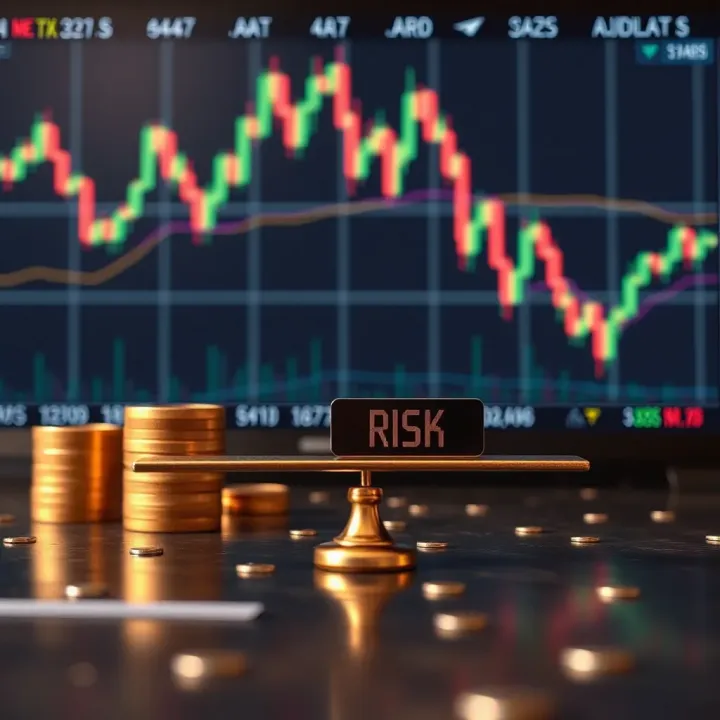
Managing leverage carefully is key; overleveraging often leads to rapid and significant losses. It’s better to trade conservatively, especially when starting.
Understanding how leverage works in tandem with margin requirements is fundamental to preserving capital and trading sustainably in forex markets.
Evaluating how well forex trading works is essential for anyone thinking of putting their money into this fast-moving market. It’s not just about the thrill of quick profits; knowing the real success rates and what strategies actually pay off can save you from losing more than just cash — it protects your time and energy too. This section breaks down what traders usually face, which factors truly affect earnings, and the tactics that make a difference.
Most newcomers to forex find the learning curve steep. Unlike simple buy-and-hold investments, forex demands constant attention to price shifts across different currency pairs. Many beginners quickly discover that early mistakes, like overtrading or ignoring stop-loss orders, can drain their accounts. In practice, it’s not uncommon for new traders to lose their initial capital within months if they jump in without a solid plan or proper training.
Profitability hinges on more than just watching charts or following tips. Consistent success often depends on a combination of knowledge, discipline, and access to reliable tools. For example, traders who master technical indicators and stick to well-tested strategies tend to outperform those relying on guesswork. Plus, factors like market timing, understanding economic calendars, and emotional control play key roles. Even access to good leverage and managing margin calls carefully can mean the difference between profit and loss.
Various studies estimate that around 70% to 90% of retail forex traders end up losing money over time. This doesn’t mean forex is impossible to win at — rather, it shows that most people enter the market unprepared. Some brokers disclose monthly reports indicating the percentage of client accounts that stay profitable, and these figures often align with the high-failure rates found globally. Knowing this reality helps traders approach forex with caution and set realistic expectations.
Technical analysis involves examining historical price data and charts to predict future moves. Many South African traders use tools like moving averages, Relative Strength Index (RSI), and Fibonacci retracements to spot trends and potential entry or exit points. While it’s not a foolproof method, technical analysis provides structure to trading decisions, reducing guesswork and emotional reactions when the market moves fast.
Apart from charts, understanding the economic and political forces behind currency values makes a big difference. For instance, interest rate announcements from the South African Reserve Bank (SARB), unemployment figures, or unexpected global crises can shift currency prices dramatically. Traders who keep tabs on these fundamentals alongside technical signals usually get a fuller picture and a better chance to anticipate big moves.
One of the trickiest but most critical parts of forex trading is managing risk. Proper use of stop-loss orders, limiting position sizes, and diversifying trades help shield traders from big losses. Experienced traders often risk no more than 1%–2% of their capital on any single trade. This disciplined approach means that no one trade can wipe out their account, keeping them in the game long enough to learn, adapt, and eventually succeed.
Understanding the effectiveness of forex trading isn’t about promising a quick buck. It’s about recognising the challenges, preparing well, and using smart strategies to manage risk and spot opportunities.
In South Africa, this knowledge is especially useful given local economic volatility and the Rand’s sensitivity to global events. Traders who combine realistic expectations with solid analysis and risk controls tend to navigate this complex market better.
Forex trading offers opportunities, but it also carries significant risks and challenges that traders must navigate carefully. Understanding these can help you avoid common pitfalls and manage your trades more effectively. This section highlights key aspects like market volatility and the psychological factors that influence trading success.
Currency prices are heavily influenced by global events that often catch traders off guard. For example, when unexpected political developments occur — such as a surprise election outcome or sudden changes in trade policies — currency values can swing sharply. South African traders saw this during the ANC leadership contests, where uncertainty around policy direction briefly rattled the rand.
Such volatility means that even if your analysis is sound, external factors beyond your control can shift market conditions overnight. It underlines why forex trading is not just about charts but about staying aware of global news and understanding its potential impact on currency pairs.
Sudden market moves can hit traders hard, especially if they use high leverage. Imagine a rapid drop in the euro against the US dollar triggered by a shock economic report; positions can be wiped out before stop-losses kick in, or spreads may widen making exits costly. This unpredictability demands having realistic expectations and a solid risk management plan to prevent catastrophic losses.
Discipline and patience are the backbone of successful forex trading. It's easy to get caught up chasing quick profits or reacting impulsively to market noise. Sticking to a well-prepared strategy and waiting for the right setups often separates profitable traders from those who burn through their capital.
Common psychological pitfalls include overtrading, revenge trading, and fear of missing out (FOMO). For instance, after suffering losses, a trader might recklessly increase stake sizes trying to recover quickly, which usually leads to deeper losses. Recognising these tendencies and developing emotional control is vital. Traders who accept losses as part of the process tend to last longer and perform better.
Remember, forex trading isn’t just about technical skills — managing your emotions and mindset is equally important for long-term success.
By appreciating these risks and psychological challenges, you'll be better equipped to approach forex trading with a clear, strategic mindset that factors in both market dynamics and your own behaviour. This balanced perspective is essential for navigating the often unpredictable forex market.
Success in forex trading doesn’t happen by chance. Several factors shape whether a trader will consistently make profits or face losses. Understanding these elements helps traders avoid common pitfalls and improves their chances in the volatile currency market.
Continuous learning is a cornerstone of successful forex trading. The market constantly shifts due to political developments, economic data releases, and global events. For instance, a trader who keeps up with how the US Federal Reserve’s interest rate decisions affect the rand-dollar pair will be better positioned to make informed trades. Continuous education can involve studying technical charts, reading market analyses, attending webinars, or following trusted local financial news platforms like Moneyweb or BusinessTech.
Having practical experience alongside education makes a difference. New traders often jump in without fully understanding market dynamics, leading to hasty decisions. But seasoned traders develop an intuition over time for recognising patterns and knowing when to enter or exit trades. This tacit knowledge only comes with patience and time spent in front of the trading screen.
Using demo accounts effectively bridges the gap between theory and real-world trading. Before putting real Rands at risk, practising on demo platforms allows traders to familiarise themselves with trade execution, test strategies, and manage virtual funds without pressure. For example, a trader in Johannesburg might experiment with strategies on local platforms like IG Markets or CMC Markets’ demo accounts. This hands-on approach builds confidence and highlights weaknesses in one’s approach without impacting actual finances.
Selecting a reliable broker is vital in South Africa’s forex scene. Look for brokers authorised by the Financial Sector Conduct Authority (FSCA), which ensures regulatory oversight and protects traders from scams. The bloom of unregulated offshore brokers has caught out many, causing losses that could have been avoided. Factors to consider include transparent fee structures, efficient withdrawal processes, local client support, and a platform that suits your trading style.
Equally important is using the right analytic tools and software to back your trades. Tools like MetaTrader 4 or 5, TradingView, and broker-provided software allow you to apply technical indicators, set automated alerts, and backtest strategies. Besides, some platforms offer economic calendars highlighting key announcements from institutions like SARB or the US Fed, helping traders anticipate volatility. Combining these tools with disciplined risk management can turn trading from guesswork into a disciplined activity.
Choosing your broker and tools carefully is not just about convenience, but about safeguarding your capital and enabling smarter decisions in the fast-moving forex market.
By focusing on education, experience, trustworthy brokers, and robust tools, South African traders put themselves in a far stronger position to navigate this demanding market.
Trading forex from South Africa involves unique challenges and opportunities shaped by local regulations, taxation, and market conditions. Practical understanding of these elements helps traders avoid pitfalls and build strategies suited to the South African environment. For instance, currency fluctuations between the rand and major global currencies play a bigger role here than in many other countries, making it essential for South African traders to grasp these quirks early on.
The FSCA is South Africa’s financial watchdog that monitors forex brokers and trading platforms to ensure they operate legally and fairly. This means that traders should only engage with brokers authorised and registered by the FSCA. Brokers without this licence are often unregulated and pose a risk of fraud or unfair trading practices. For example, well-known FSCA-approved brokers include IG Markets and EasyEquities, offering local traders peace of mind.
Being aware of FSCA regulation reduces the chances of falling victim to unscrupulous operators and helps traders seek recourse if disputes arise. This regulatory oversight also requires brokers to maintain adequate financial resources and adhere to client fund protection measures — practical safeguards vital for everyday traders.
Unfortunately, the forex market attracts scams promising guaranteed returns or insider tips, especially online. South Africans need to be vigilant about unsolicited offers, trading bots claiming miracle results, or local schemes asking for upfront fees. A common scam tactic is cold-calling potential clients to persuade them into deposits before disappearing.
Traders should verify the broker’s FSCA status, scrutinise reviews on trusted trading forums, and avoid platforms that demand large instant deposits or push aggressive upselling. Staying sober-minded rather than greedy shields traders against losing capital to fraud.
Profits from forex trading in South Africa are considered taxable income by SARS, but the tax treatment depends on how you trade. If trading is your primary source of income, SARS treats it like business income, which means you can claim expenses such as internet costs and software subscriptions. Conversely, if you're trading occasionally or as a side activity, profits are likely treated as capital gains, taxed at a different rate.
Failing to declare forex earnings can lead to penalties, so it's wise to keep detailed records of all trades and transactions. Consulting a tax professional familiar with forex trading helps ensure compliance and maximise legitimate deductions.
The rand’s volatility means South African forex traders must manage their capital carefully. Even when trading international pairs like EUR/USD, moving funds between accounts denominated in rands and other currencies can expose traders to forex risk.
Practical strategies include using forex accounts in multiple currencies, timing transfers to avoid unfavourable exchange rates, or employing hedging techniques to offset potential losses. For example, a trader preparing for the December holiday season might convert some capital to a stable currency in advance if expecting rand weakness.
Understanding South Africa’s regulatory and financial landscape is not just about ticking boxes; it directly impacts your ability to trade safely and sustainably. Prioritise due diligence and financial planning to navigate the forex market confidently.
Discover practical forex trading strategies 📈 with free PDF resources 📚. Learn key concepts, analysis, and risk management for confident trading in SA.
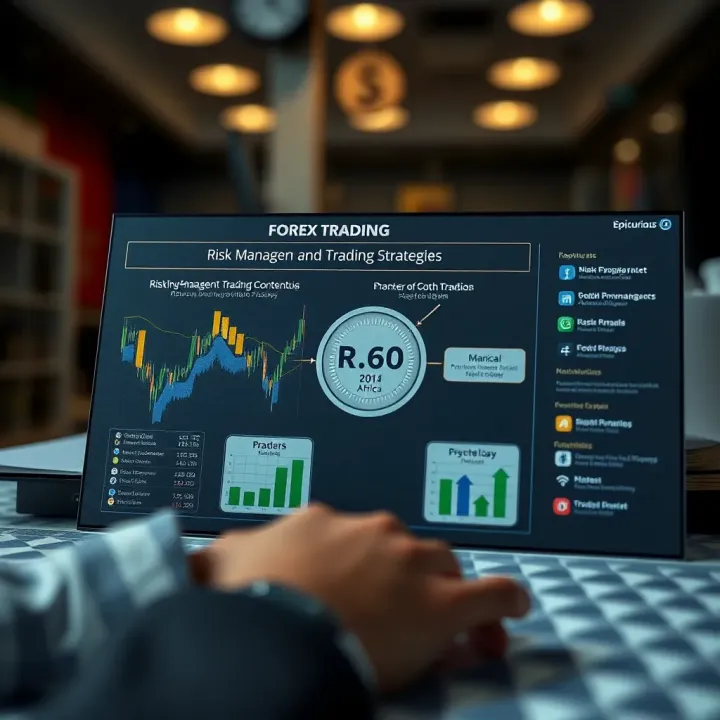
📈 Learn forex trading basics, picking brokers, risk management, and strategies tailored for South Africans. Navigate local rules and currency pairs with ease. 🇿🇦

🤖 Learn how AI forex trading bots analyse currency markets & trade automatically. Explore risks, benefits, and South African rules for smarter forex choices.
📈 Master forex trading with our practical guide on technical analysis! Learn chart reading, key indicators, avoid common mistakes, plus get free PDF resources.
Based on 8 reviews