

Understanding Forex Trading Memes and Their Impact
Discover the wit behind forex trading memes 😂, reflecting traders' real challenges and the sense of community they build while managing market stress and mindset.
Edited By
Megan Hughes
Forex trading groups play a significant role in the trading community by connecting individuals with shared interests in currency markets. These groups, found on platforms like WhatsApp, Telegram, or specialised forums, bring together traders—from beginners to experienced analysts—to exchange information, discuss market trends, and collaborate on strategies.
Unlike solo trading, joining a forex trading group can provide valuable real-time insights and support. For example, a Johannesburg-based trader might gain an early heads-up on the rand-dollar pair from fellow members who monitor global economic news actively. Such networks often serve as informal learning hubs, where members share trade ideas, technical charts, and risk management tips.

Many groups are organised around specific themes—such as scalping, swing trading, or macroeconomic analysis—catering to diverse trader preferences. Communication tends to be fast-paced and interactive, with members posting market updates throughout the trading day. Some groups moderate content to keep discussions relevant and to avoid scams, a common pitfall in loosely managed spaces.
Joining a reputable forex trading group means you tap into a collective brain trust, which can reduce mistakes and enhance your trading skills.
Real-time market commentary and alerts
Shared educational resources and learning opportunities
Access to experienced traders’ perspectives
Emotional support during volatile trading periods
South African traders often face unique challenges such as forex regulations under the Financial Sector Conduct Authority (FSCA) and restrictions imposed by local banks on foreign currency transactions. Being part of a trading group helps to navigate these hurdles, offering practical advice on compliance and efficient use of platforms like Standard Bank’s Forex Online or electronic trading services from global brokers operating locally.
Ultimately, forex trading groups are much more than chat rooms. They can serve as a sounding board, a mentorship avenue, and a steady source of motivation in the often fast-moving forex market.
Understanding their dynamics is essential before you dive in. Later sections will cover how to identify trustworthy groups and the risks involved.
Forex trading groups are communities where traders connect to share knowledge, insights, and support in navigating the currency markets. In South Africa's fast-changing trading environment, these groups provide a useful way to pool resources and experiences, helping both novices and seasoned traders stay on the right track.
Forex trading can be a lonely game, especially when markets swing unexpectedly. That’s where community-based trading support comes in. Within these groups, members offer encouragement and practical advice, helping each other stay calm and focused. For example, during volatile periods caused by sudden rand fluctuations or unpredictable global events, traders can lean on one another to manage emotions and crackdown on rash decisions.
Such groups foster a sense of belonging and mutual accountability. They aren’t just chat rooms; they're safety nets against the typical ups and downs of the forex world.
Another core purpose of forex trading groups is sharing strategies and trading signals. Members post their analysis, entry and exit points, or market signals collected from technical or fundamental research. This isn’t about blind copying — it’s meant to spark discussion and learning.
For example, a trader might share insights on how South African Reserve Bank interest rate decisions affect the ZAR/USD pair, offering a signal to watch for potential breakouts. Other members can then test or tweak these strategies based on their own research, improving overall trading skills.
Popular messaging platforms like WhatsApp and Telegram are widely used by South African forex groups for their immediacy and ease of use. These apps allow real-time sharing of charts, signals, and quick market updates. For instance, a Telegram group might have admins posting daily market summaries and trades, while members discuss or ask questions instantly.
Facebook offers more structured groups with longer posts, pinned files, and discussion threads. This suits more in-depth conversations and archived educational content, making it easier for traders to revisit important topics. Many South African trading communities take advantage of these features to cater for both quick tips and detailed learning.

Online forums dedicated to forex, such as those on trading websites or platforms like Reddit, provide an alternative space for longer, more thoughtful exchanges. These forums often attract a diverse range of traders, providing a broad spectrum of perspectives.
Social media platforms like Twitter or Instagram might not be typical for group chats but serve as powerful tools for following market analysts, official updates, and spotting trending developments. Traders in South Africa often combine these channels, using forums for detailed analysis and messaging apps for quick alerts and social bonding.
Whether you’re a new trader or someone with years of experience, joining a forex trading group offers practical benefits — from emotional support to sharpening your strategy. The key lies in recognising how these groups operate and choosing the right platform that fits your trading style and goals.
Joining a forex trading group offers several advantages that can significantly improve your trading experience and success. These groups provide a platform for sharing insights, boosting confidence, and connecting with fellow traders, which are particularly valuable in the fast-changing and sometimes unpredictable currency markets.
Learning from experienced traders is one of the biggest draws of trading groups. Newcomers or even mid-level traders can benefit by absorbing practical tips and strategies from veterans who have weathered numerous market cycles. For example, a seasoned trader might share how they use technical indicators like the Relative Strength Index (RSI) specifically tailored for volatile currency pairs such as the ZAR/USD. This kind of knowledge cuts through the clutter and helps others avoid common rookie mistakes.
Keeping up with market trends is easier when you’re part of a community that constantly exchanges timely market analysis and news alerts. Members often share updates about economic data releases, like South Africa’s quarterly GDP figures or US Federal Reserve interest rate decisions, which directly affect forex markets. Having these discussions in real-time helps traders act swiftly rather than relying solely on delayed news or personal research.
Reducing psychological pressure is crucial in forex where emotions can cloud judgement. Trading groups often act as a sounding board, helping members vent frustrations or doubts. For instance, after a string of losses caused by unexpected market shocks, other traders may share how they managed similar situations. Knowing you’re not alone in facing these hurdles reduces stress and encourages clearer thinking.
Encouragement during volatile markets is another benefit. In choppy markets, the fear of losses can lead to premature exits or reckless decisions. A trading group can provide steady encouragement and remind members about risk management techniques, such as setting stop losses or scaling positions, enabling traders to stay disciplined even when the rand swings sharply against the dollar.
Finding trading partners or mentors through these groups can fast-track your learning curve. A beginner in Durban, for example, might connect with a more experienced Johannesburg-based trader who acts as a mentor, helping to interpret complex economic indicators or software tools. Collaborations like this often develop into long-term partnerships where traders brainstorm strategies and support each other.
Sharing resources and tools within the group improves efficiency and effectiveness. Members might exchange charting software tips, access to economic calendars, or recommend brokers with competitive spreads and local customer support, such as those registered with the Financial Sector Conduct Authority (FSCA). By pooling resources, everyone gains from the collective experience without starting from scratch.
Being part of a forex trading group doesn’t just mean sharing tips; it provides a full support system that fosters continuous learning and practical trading improvements that can make a significant difference to your outcomes.
Being part of forex trading groups has its perks, but traders should also be cautious of the risks that often come with this communal approach. These groups can sometimes expose members to wrong information or pressure to follow advice blindly, which may lead to losses. Understanding these pitfalls is vital, especially for South Africans navigating local market dynamics and the unique challenges our financial landscape presents.
One common trap in forex trading groups is encountering claims of guaranteed profits. Traders often see ads or messages promising fixed returns without risks, which is unrealistic given forex's volatility. Such promises are red flags and should raise suspicion. For example, if a signal service in a WhatsApp group assures 90% winning trades every month, it’s more likely a ploy than a fact. Remember, no honest trader or group can guarantee consistent profits.
Apart from bold profit claims, you should watch out for other warning signs in advice shared within these groups. If members or leaders push you to invest more money quickly or avoid proper risk management techniques, be cautious. Also, if the group lacks transparency—like no track record of actual trades or verifiable member success stories—you’re safer steering clear. Always check if advice is backed by solid analysis rather than hearsay or hype.
Joining a trading group can lead some traders to lean too heavily on the group's opinions rather than doing their own research. Over time, this dependence may dull your ability to analyse charts, trends, or economic data independently. For instance, if every decision in the group is accepted without questioning, you lose your edge in spotting unique trading opportunities or risks. Maintaining your critical thinking is key to long-term success.
Herd mentality in forex groups happens when traders jump on ideas simply because the majority endorses them. This can lead to impulsive buys or sells that may not suit your strategy or risk appetite. Consider a scenario where a flood of members chase a trending currency pair, pushing the price up unrealistically. If you follow without question, you might enter a position just before a sharp correction. It’s important to evaluate group suggestions in the context of your own strategy and market understanding.
Staying alert to these risks helps preserve your trading craft and keeps you from losing money to misinformation or group pressure. Forex trading groups are best used as a resource, not a crutch.
Selecting the right forex trading group makes a significant difference to your learning curve and trading success. Not all groups are equal—some offer genuine guidance, while others fall short or even pose risks. Whether you're trading on MetaTrader or focusing on local brokers, knowing how to pick a dependable group helps you avoid wasting time, money, or falling victim to scams.
Checking member reviews and testimonials gives you a practical glimpse into the group's day-to-day value. Look beyond the marketing speak. Genuine reviews often detail specific experiences, like how timely signals were or whether the admins helped clarify complicated strategies. For example, a South African trader might find it useful to hear how a group handled signals during Eskom loadshedding periods when markets tend to be volatile but data is harder to access.
If you spot repeated complaints about poor communication or unrealistic profit claims, those are red flags. Members who share their real results and openly discuss failures as well as successes indicate a more trustworthy environment. However, keep in mind private chat reviews may be biased, so cross-check with forums where members freely express frustrations or praise.
Verifying the credibility of group leaders is another key consideration. Leaders or admins who boast clear qualifications, proven track records, and transparent trading histories earn more trust. For instance, a leader actively sharing verified trade histories or explaining the rationale behind signals shows accountability.
Beware of groups where the leaders stay hidden behind anonymous profiles or make sweeping promises that sound too good to be true. Credible group leaders often engage in community discussions, offer educational material, and encourage independent analysis rather than just firing out buy/sell signals indiscriminately.
Free versus paid groups both come with their pros and cons. Free groups, common on WhatsApp or Telegram, can offer a good entry point to learn basics and network but may lack structure or fail to moderate poor advice. Some place heavy emphasis on upselling premium services, which can be frustrating if you’re not looking to commit financially right from the start.
Paid groups often promise more curated content, consistent updates, and dedicated support. In South Africa, pricing can vary significantly—from affordable monthly subscriptions of around R200 to more expensive services targeting professional traders. Before paying, check if the fee aligns with what the group offers and whether members consider it good value.
Understanding what’s included in the subscription matters greatly. An upfront payment expecting daily trade signals alone may leave you stranded if educational support or risk management advice is omitted. Quality groups tend to bundle tools: live webinars, trade reviews, news analysis, and sometimes access to mentoring or private coaching.
Make sure you get a clear list of benefits before committing. For example, does the subscription cover updates during rapid market changes, or will you be left hanging? Knowing exactly what you’re purchasing reduces disappointment and helps you measure if the group justifies your investment over time.
Choosing a forex trading group wisely is not just about joining the most popular or cheapest option, but about finding one that fits your style, supports your learning, and earns your trust through clear, proven practices.
Joining a forex trading group can be a real leg up, but only if you actively engage and approach the information critically. Simply lurking or passively receiving signals won’t cut it in a market as fast-changing as forex. To really benefit, you have to contribute, question, and combine group insights with your own research.
Sharing your own insights and experiences helps build trust and shows you’re part of the community, not just a bystander. For example, if you’ve spotted a pattern in the ZAR/USD currency pair or successfully used a specific risk management technique, bringing this to the group can spark useful discussions. Plus, others may provide feedback that fine-tunes your approach. Active participation encourages a more dynamic exchange, making the group more valuable for everyone.
Keeping an open mind while staying critical means welcoming different perspectives without blindly accepting everything. Some groups might hype a trade or signal, but it pays to stop and think: Does this fit my trading style? Is there enough evidence to back this up? For instance, if a group pushes a supposed “guaranteed” profit setup involving the rand, recall that forex markets are never 100% predictable. Questioning trades and checking strategies against your own knowledge helps you avoid herd mentality and potential losses.
Using group signals as part of a wider strategy is smarter than relying solely on others’ tips. Treat signals as one piece of your overall plan. You might use group advice to spot opportunities but then verify these by checking economic news releases from SA Reserve Bank announcements or global events like US Fed decisions. Incorporating signals into your own risk management, stop losses, and target setting keeps you in control rather than a passenger.
Continuing education on forex trading remains critical beyond group interaction. Forex markets evolve, and staying sharp with courses, webinars, or reading current analyses on platforms like MyBroadband or BusinessTech enriches your understanding. Remember, no group can replace solid knowledge, so keep learning to sharpen your decision-making. This ongoing growth supports better use of group feedback and makes you less vulnerable to misleading advice.
Active engagement, critical thinking, and continuous learning combine to help you squeeze the full benefit out of forex trading groups while steering clear of pitfalls.
In the South African context, where factors like loadshedding and currency volatility affect markets uniquely, combining community support with your own informed strategy will give you an edge worth having.
Discover the wit behind forex trading memes 😂, reflecting traders' real challenges and the sense of community they build while managing market stress and mindset.

💰 Learn how to make money with forex trading in South Africa. Get practical tips on currency markets, choosing brokers, risk management, and winning strategies today!
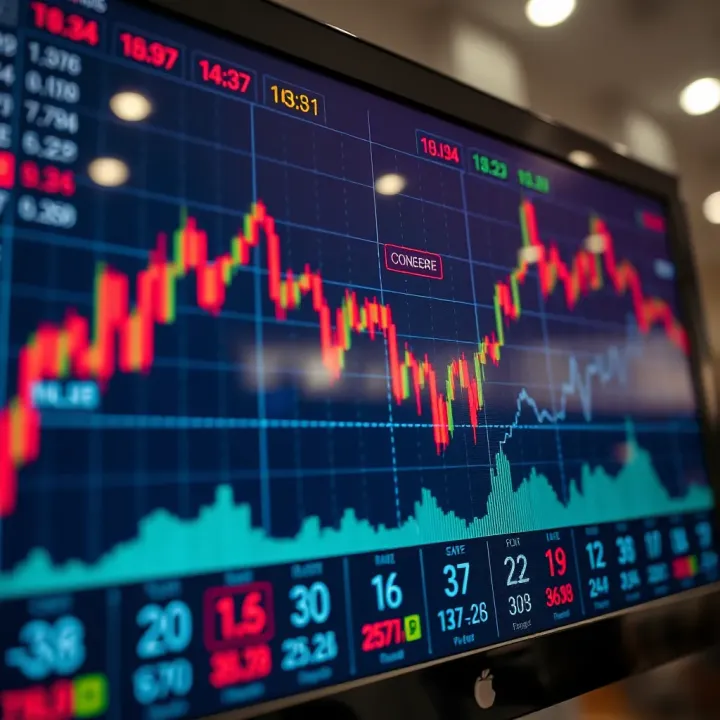
📈 Explore how forex trading may evolve amid tech shifts, regulations, and market trends in South Africa and beyond. Will it stand the test of time? 🌍
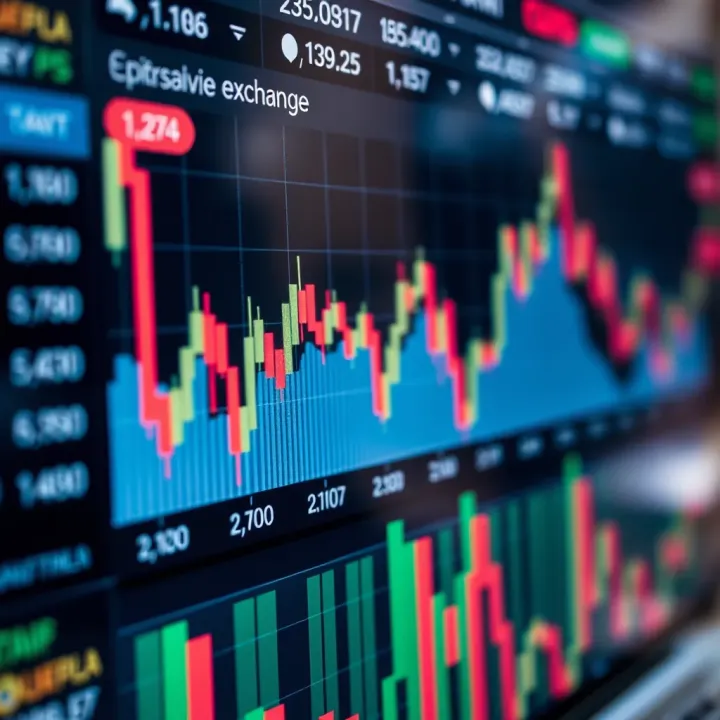
📈 Start your forex journey with clear, practical insights on currency trading, market basics, strategies & risk management tailored for South African traders 🇿🇦
Based on 15 reviews