
Forex Trading for Beginners: Free Easy Guide
📘 Learn forex trading basics with a free ebook tailored for South Africans. Understand the market, key strategies, risks, and tools to trade smart and safe. 💹
Edited By
Chloe Richards
Currency trading, or forex trading, is the buying and selling of foreign currencies on the global market. It’s the largest financial market worldwide, with daily turnover exceeding US$6 trillion. For South African traders, it offers a chance to participate actively beyond the JSE or bond markets, opening doors to currency pairs like USD/ZAR or EUR/USD.
Understanding how forex trading works is the first step. Traders speculate on currency price movements, buying one currency while selling another simultaneously. For example, if you believe the South African rand (ZAR) will weaken against the US dollar (USD), you'd buy USD/ZAR, hoping to sell back later at a profit.
Forex trading operates 24 hours a day during weekdays, tumbling across global financial hubs like London, New York, Tokyo, and Johannesburg. This gives traders continuous access to the market, allowing them to trade at their convenience.
The forex market has no centralised exchange; instead, transactions happen over-the-counter (OTC) through banks, brokers, and electronic platforms. South African traders commonly use brokers regulated by the Financial Sector Conduct Authority (FSCA). Always check a broker’s licence to avoid falling prey to scams.
Leverage is a key aspect of forex: it lets you control a larger position than your capital would normally allow. For instance, with 1:100 leverage, R1,000 allows you to trade R100,000 worth of currency. This magnifies both profits and losses, so managing risk is vital.
Currency pairs: Major pairs involve currencies like USD, EUR, GBP, while minors and exotics include ZAR and other emerging market currencies.
Pips: The smallest price movement unit, usually 0.0001 for most pairs.
Spread: The difference between buy (bid) and sell (ask) prices, representing the broker's fee.
Lot sizes: Standard (100,000 units), mini (10,000), and micro (1,000) lots let you scale trading size.
Begin learning with demo accounts provided by brokers. These simulate real market conditions without risking real cash. Once comfortable, start with small amounts to understand the emotional and financial pressures involved.
Keep in mind that forex trading requires discipline. Strategies that include technical analysis, fundamental news insights, and strict money management often lead to better outcomes.
In short, forex trading offers South Africans opportunities beyond traditional investing avenues. But it demands understanding, practice, and respect for risk. From here, you’ll explore market mechanics, tools, and strategies to help improve your chances of success.
Having a solid grasp of forex fundamentals is key before placing your first trade. Understanding the basics helps you spot good opportunities, avoid common pitfalls, and build confidence in the fast-moving currency markets. For South Africans, forex trading offers an accessible avenue to dip into global markets using familiar currencies like the rand (ZAR), US dollar (USD), or euro (EUR).
Forex, short for foreign exchange, involves buying one currency while simultaneously selling another. Traders speculate on the price movements of currency pairs to make a profit. For instance, if you think the ZAR will strengthen against the USD, you might buy the pair ZAR/USD, hoping the rand will rise in value.
This market operates 24 hours a day, five days a week, making it one of the most liquid and active financial markets worldwide. Its continuous operation means you can respond quickly to economic events, news, or geopolitics affecting currencies.
Forex differs from other markets like stocks or commodities mainly in its decentralised structure and high liquidity. Unlike shares traded at the JSE, forex trading happens over-the-counter (OTC), meaning banks, brokers, and traders connect via electronic platforms without a central exchange.
Currencies are traded in pairs, where the price shows how much of the quote currency you need to buy one unit of the base currency. Take the EUR/ZAR pair – if it quotes at 18.50, it means 1 euro costs 18.50 rand. This quoting system allows you to see the relative value between two currencies clearly.
Key players in the forex market include banks, hedge funds, multinational corporations, retail traders, and even central banks like the South African Reserve Bank (SARB). Trading hours align with global business centres: As Johannesburg business hours close, markets in London and New York come to life.
Leverage is a distinct feature in forex trading, letting you control a large position with a small deposit called margin. For example, with 1:100 leverage, R1,000 in your account can control R100,000 worth of currency. While leverage can magnify gains, it equally boosts the risk of losses, so managing margin carefully is crucial.
Understanding forex basics is about knowing how currency pairs work, who trades them, and how leverage impacts your risk. This foundation helps you trade smarter and avoid costly mistakes as you develop your strategy.
Entering the world of forex trading starts with the right setup. This stage is where you lay a solid foundation for trading success, focusing on crucial elements like selecting a trustworthy broker and getting acquainted with essential trading tools. In South Africa, these steps carry even more weight given the local regulations, market environment, and unique trading conditions.
Starting with a regulated broker is key to protecting your funds and trading fairly. In South Africa, the Financial Sector Conduct Authority (FSCA) oversees forex brokers, ensuring they meet strict licensing criteria. A broker registered with the FSCA must comply with capital requirements, client fund segregation, and fair trading practices. For example, a South African trader using an unregulated broker risks losing their deposit without much recourse in case of misconduct.
Apart from regulation, you want a broker offering competitive spreads and transparent fees, since trading costs can quickly eat into profits. Look out for brokers providing easy access to South African rand (ZAR) deposits and withdrawals, so you avoid hefty conversion fees. Also, check whether the broker offers robust customer service and educational resources—these help especially when you’re starting out. A trader using a platform with unreliable execution speeds or frequent downtime can miss important market moves.
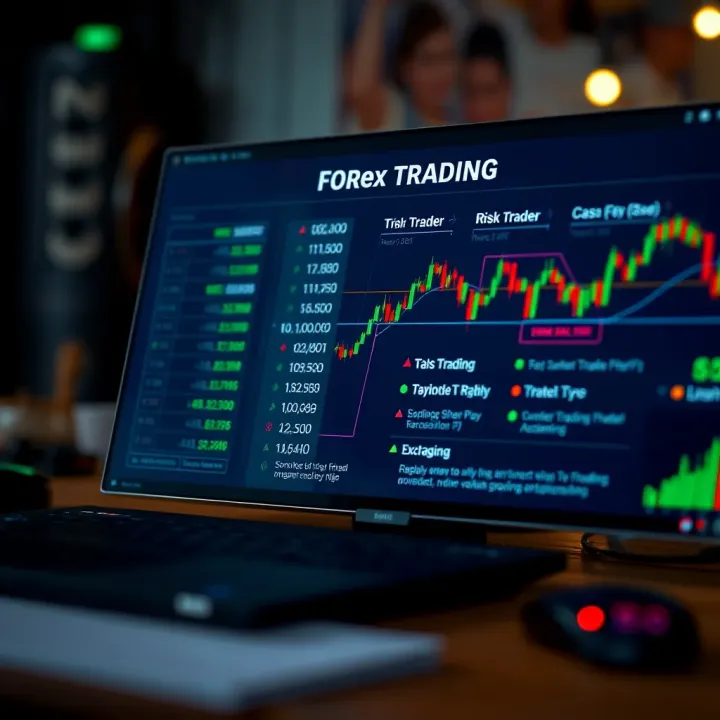
Opening an account is usually straightforward but needs due diligence. You’ll provide identification as part of the Financial Intelligence Centre Act (FICA) requirements to verify your identity. Funding options in South Africa typically include bank transfers, credit/debit cards, or e-wallets like PayFast. It's smart to start with smaller deposits to test the platform and withdrawal processes before scaling up. For instance, depositing R1,000 initially allows you to get comfortable without risking too much capital upfront.
The platform is your cockpit for trading. You'll want one that’s intuitive but also offers advanced features like one-click order execution and real-time data feeds. MetaTrader 4 and MetaTrader 5 remain popular choices in South Africa due to their reliability and extensive community support. Some brokers also provide web-based platforms you can access from any device without installation, perfect if you’re often on the move.
A trader without timely price information is flying blind. Good platforms offer detailed charting tools that help you spot trends and entry points. Integrating live news feeds, especially regarding global financial developments or South African economic reports, is valuable. For example, a surprise announcement from the South African Reserve Bank about interest rates can move the rand sharply, and reacting quickly could preserve profits or minimise losses.
South Africans are increasingly mobile-first, so having a responsive mobile trading app is vital. These apps let you monitor markets and execute trades even during your daily commute or at the braai. Brokers like Standard Bank and FNB often recommend certain apps linked to their online trading services, making it easier to transfer funds and trade in one ecosystem. Remember, though, mobile screens are smaller, so ensure you’re comfortable with the interface before relying solely on it.
Starting off well-set with a regulated broker and effective tools positions you better to weather market swings and gradually build your forex skills. Getting these basics right saves you stress down the track and lets you focus on sharpening your strategy.
Creating a solid trading strategy is a game plan that helps you navigate the rough waters of the forex market. Without one, you risk making impulsive moves based on gut feelings or news hype, which can quickly erode your capital. A clear strategy combines analysis, risk management, and a consistent approach to decision-making.
Economic indicators like GDP growth, unemployment rates, and inflation significantly influence currency movements. For instance, if South Africa's inflation rate rises unexpectedly, the South African rand (ZAR) might weaken because higher inflation reduces purchasing power. Traders watch these indicators closely to anticipate shifts in market sentiment before they’re reflected in prices.
Central banks like the South African Reserve Bank (SARB) set interest rates and issue statements that can cause sharp moves in currency pairs. If SARB raises interest rates, the rand usually strengthens because higher rates attract foreign capital seeking better returns. Understanding the tone and details of these announcements helps traders forecast short-term movements. For example, a hawkish tone—signalling more rate hikes—can push the ZAR up, while dovish signals often have the opposite effect.
Support and resistance are price points where a currency historically struggles to fall below or break above. Think of support as a floor preventing prices from dropping further, and resistance as a ceiling holding them back. For example, the EUR/ZAR pair might repeatedly bounce off a certain level, signalling strong support. Identifying these levels helps traders set entry and exit points with greater confidence.
Indicators like moving averages, RSI (Relative Strength Index), and MACD (Moving Average Convergence Divergence) help identify trends and momentum. Chart patterns, such as head and shoulders or double tops, can hint at reversals or continuation of trends. These tools provide clues about likely price action, letting traders align their moves with probable market direction.
Fundamental analysis is better for understanding the big picture or long-term trends—say, how a change in SARB’s policy might affect the rand over months. Technical analysis shines for timing entry and exit points over shorter frames based on charts and patterns. For example, a trader might use fundamentals to pick a currency pair poised for strengthening, then use technical signals to decide exactly when to buy or sell.
Imagine you learn SARB is likely to hike rates soon—a fundamental trigger favouring rand strength. You then monitor the USD/ZAR chart for a breakout above resistance confirmed by a rising RSI. This blend of fundamental insight and technical confirmation boosts your chance of making a smart trade rather than guessing.
A pragmatic trading approach balances fundamental context with technical signals to give you a readable map through forex's ups and downs.
Developing your own strategy with these pillars helps keep emotions in check and actions consistent, which matters for lasting success in the forex market.
Managing risk is often the difference between a trader who loses their shirt and one who stays in the game long enough to turn a profit. In forex trading, where markets can swing sharply within minutes, protecting your capital ensures you can weather those ups and downs. Without solid risk management, even a few poor trades can wipe out your investment.
Stop-loss and take-profit orders are your safety nets. A stop-loss order sets a maximum loss you're willing to accept on a trade, while a take-profit locks in your gains once a set price is reached. By planning these limits upfront, you avoid emotionally driven decisions when the market moves quickly. This discipline helps protect your capital and locks in profits before greed or fear kick in.
For example, if you buy EUR/ZAR at 19.50 and set a stop-loss at 19.30, you limit your loss to 20 cents per euro. If the price drops unexpectedly, you’re not left holding the bag hoping it will bounce back.
There are different ways to place stop-loss orders depending on your strategy. Some traders use a fixed amount they are willing to lose, placing the stop-loss accordingly. Others use technical levels like support and resistance points, where price historically reverses. For instance, setting a stop-loss just below a strong support level can reduce the chances of getting stopped out prematurely.
Trailing stops are also popular; they move with the market in your favour, securing profits while still allowing for some price movement. Many trading platforms popular in South Africa, like MetaTrader and ThinkMarkets, support these order types easily.
Knowing how big a position you can take is key to managing risk. The general rule is to risk only 1–2% of your trading capital on a single trade. So if you have R10,000, your maximum loss per trade should be about R100 to R200. To calculate position size, you determine the distance between your entry price and stop-loss, then adjust the number of units accordingly.
For example, if you set a stop-loss 50 pips away and want to risk R100, your position size would be smaller than if your stop-loss was 20 pips. Position sizing helps prevent a single bad trade from blowing up your account.
Leverage lets you control big positions with little capital, but it magnifies losses just as much as it does gains. Overleveraging is a common trap for beginners who get tempted to chase bigger profits. Using high leverage without proper risk controls can drain your account quickly under volatile conditions.
A conservative approach is to use low leverage — 10:1 or less — until you build confidence and experience. Remember, even small price swings can cause large losses if your position is too big. South African brokers must follow Financial Sector Conduct Authority (FSCA) rules, but leverage limits vary so double-check with your provider.
The forex market tests your nerves. Traders often fall into traps like chasing losses, overtrading, or holding onto losing trades hoping the market will turn. Fear and greed can cloud judgement, causing rash decisions that erode capital.
For instance, after a loss, some traders double down to recover quickly, which usually amplifies losses. Others might exit winning trades too early, missing out on gains due to anxiety. Overcoming these habits takes awareness and practice.
Developing emotional discipline means sticking to your trading plan regardless of short-term market noise. Simple steps help: set clear rules beforehand, take regular breaks, and keep your trading journal to reflect on mistakes.
Mindfulness techniques or short walks away from the screen can clear your head during tense moments. Patience also pays off — not every trade needs to be entered immediately. Waiting for setups that meet your criteria improves success and protects your capital.
Managing risk is not about eliminating loss, but controlling it so you can keep trading and learning. Think of it as insurance for your wallet—without it, even the sharpest strategies can fail.
Consistent learning keeps you sharp in forex trading, particularly as markets shift with new economic reports, political changes, and global events. Staying active in training and self-assessment helps avoid costly mistakes, especially when starting out. Practical steps like practising on demo accounts, tracking your trades, and joining local trading communities build confidence and improve your skills over time.
Demo trading offers a risk-free way to familiarise yourself with the forex market and test strategies without risking real cash. By using virtual funds on platforms like MetaTrader 4 or 5, you can get hands-on experience with charting tools, placing orders, and managing positions just as you would with a live account. For example, a beginner in Johannesburg might practice trading the USD/ZAR pair to better understand volatility and spreads.
Transitioning from demo to live trading requires discipline. The main challenge is handling real emotions linked to money on the line. Start small with live trades, using amounts you’re comfortable losing. Gradually increase trade size as you build confidence. Also, maintain demo trading for testing new strategies without pressure. This stepwise approach helps you stay steady and avoid reckless decisions when the stakes are real.
Keeping a trading journal is one of the best habits for improvement. Note every trade with details like entry and exit points, reasons for taking the trade, emotional state, and results. This simple record helps you spot patterns in your decision-making and sticking points. For instance, if you notice regular losses during peak hours of the London session, it might prompt reassessment of your strategy during that time.
Reviewing wins and losses carefully allows you to learn practically. Analyse why certain trades succeeded or failed. Did you follow your plan? Was the stop-loss set correctly? Analysing mistakes clearly enables better choices next time, reducing repeated errors and improving risk management. Over months, this habit can transform your trading from guesswork into a more consistent, data-driven endeavour.
Connect with local forums and trading groups to share experiences and get advice from fellow South Africans. Groups on platforms like Facebook or Meetup often discuss region-specific concerns like market hours relating to SAST and broker reliability under South African regulations. Participating in organised courses or webinars run by respected local traders can also deepen your understanding and keep you up to date with current practices.
Reliable websites and news services such as MyBroadband, Moneyweb, and BusinessTech provide regular updates on forex developments, Rand movements, and economic policy changes affecting currency markets. Using these resources daily helps you stay informed on broader factors influencing forex pairs like ZAR/USD or EUR/ZAR. Combining trusted local information with global news keeps your trading decisions well-grounded and timely.
Staying disciplined with ongoing learning and practical tools—from demo trading to active journaling and joining local forex communities—sets you up for sustainable growth as a trader in the South African market.
📘 Learn forex trading basics with a free ebook tailored for South Africans. Understand the market, key strategies, risks, and tools to trade smart and safe. 💹

📚 Discover top forex books for beginners that explain key strategies, risk management, and practical trading tips. Build solid forex skills step-by-step and trade smarter.
🔍 Curious about forex trading? Learn the essentials, spotting reliable brokers, managing risk, and mastering platforms to kickstart your trading journey with confidence in South Africa.

📉 Learn how forex trading operates and why it matters, including key players, common strategies, and risks — all explained plainly for South African newcomers 🌍
Based on 9 reviews